Design Together. Build Together.
American School Design Build is a vibrant ecosystem of collaboration, bringing together individual visionaries, forward-thinking businesses, public sector partners, and a network of faculty and students committed to expanding architecture and construction education. This initiative thrives on a diverse coalition of community leaders, industry professionals, and academic experts who share a common belief: that the most profound learning experiences happen when design leaves the page and enters the real world.
Collab Culture
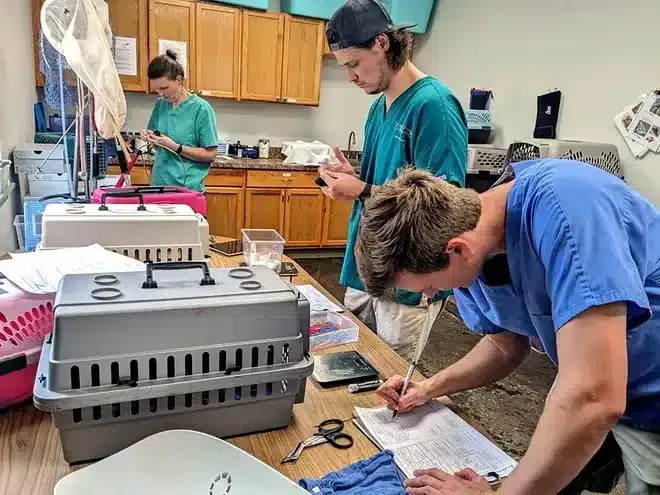
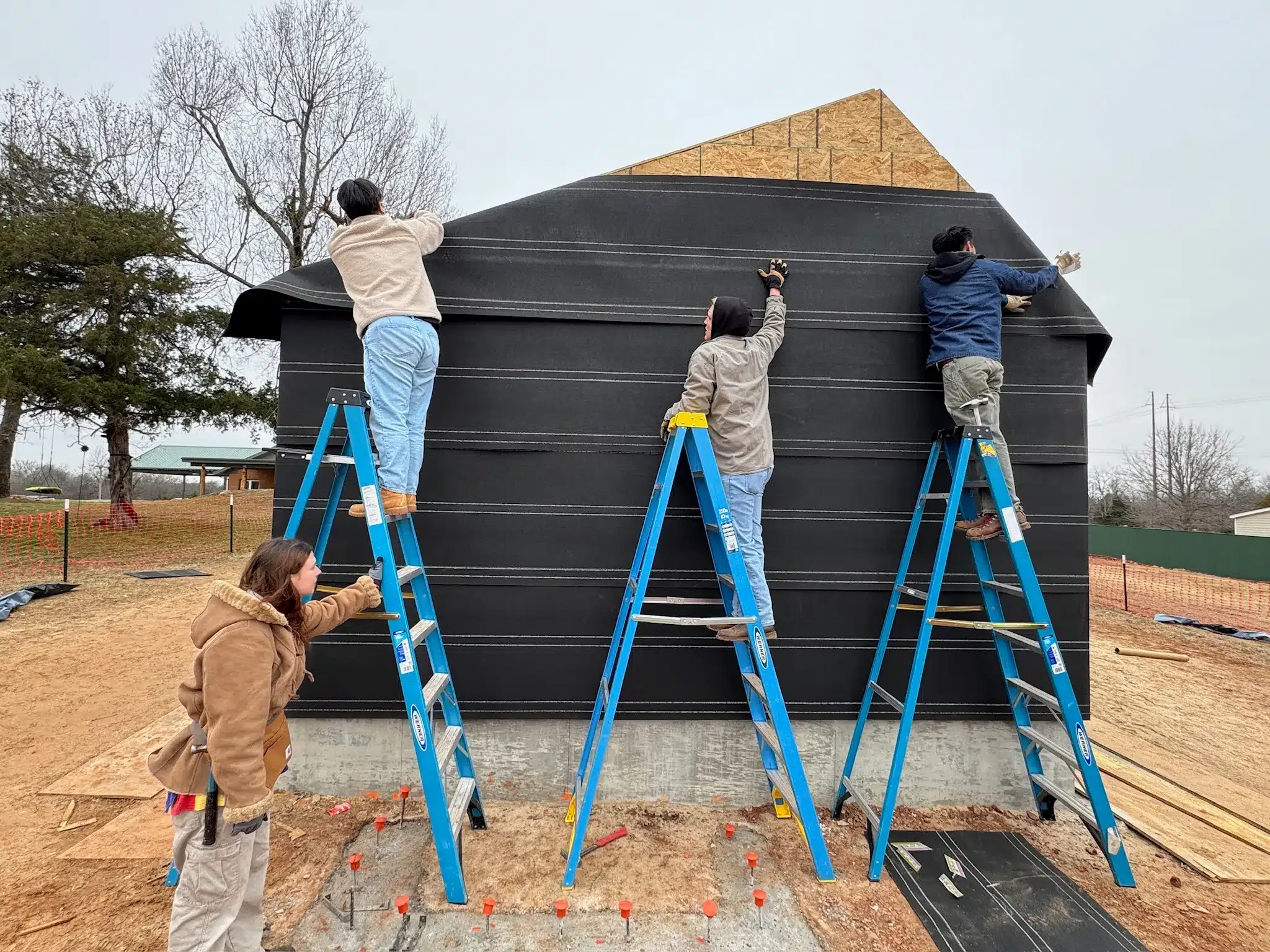
Our collaborative culture is both a method and a mindset. Design build projects immerse architecture and construction science students in hands-on, full-scale making, bridging the gap between concept and craft. In these settings, students do more than draw or model, they fabricate, assemble, problem-solve, and innovate alongside experienced professionals, clients, and civic leaders. The result is a holistic understanding of the built environment, informed equally by technical skill, material knowledge, and the social dynamics of project delivery.
By working across disciplines, students learn to navigate complex project ecosystems, balancing design intent with budget realities, regulatory requirements, and community needs. This mirrors the collaborative rigor of professional practice, where diverse expertise must align to achieve meaningful, enduring outcomes. In this environment, every voice matters, every skill contributes, and every challenge becomes an opportunity for collective innovation.
Beyond technical proficiency, this collaborative culture instills soft skills essential to leadership, communication, negotiation, adaptability, and empathy, qualities that set our graduates apart in competitive professional landscapes. Students leave not only as capable designers and builders, but as bridge-builders between ideas and implementation, ready to lead projects that are as socially impactful as they are technically sound.
At its heart, American School Design Build’s collaborative culture transforms education into an active, civic-minded practice, where academic learning fuels real-world change, and where every project is a shared story of vision, craft, and community.

Partnerships
At American School Design Build, partnerships are more than alliances, they are the foundation of impactful, place-based design. A design-build community partnership is a collaborative framework that unites local residents, businesses, nonprofits, and educators in the shared mission of envisioning, designing, and constructing projects that directly respond to community needs.
This model transforms traditional client–designer relationships into co-creative processes, where stakeholders actively shape the design narrative from concept to completion. By inviting input at every stage, the work reflects the community’s priorities, culture, and identity, ensuring that the resulting spaces and structures are not only functional but also deeply meaningful.
Partnerships in this context yield multiple benefits:
-
Shared Decision-Making – Ensuring diverse voices influence design choices, from materials and budget to aesthetics and long-term use.
-
Practical, Contextual Solutions – Leveraging local knowledge alongside professional expertise to create solutions that are viable, sustainable, and well-integrated into the community’s fabric.
-
Ownership and Stewardship – Fostering pride and responsibility among community members who have invested their time, ideas, and effort into the project’s realization.
Faculty + Students
At the core of American School Design Build is the belief that learning and teaching are most powerful when they happen side-by-side, in the field, and in real time. A design-build faculty and student collaboration transforms the studio into a living laboratory, where educators and learners work shoulder-to-shoulder to conceptualize, design, and bring projects to life.
This approach bridges academic theory with tangible application, allowing ideas to evolve from sketch to structure under the combined guidance of faculty expertise and student creativity. In this shared process, educators mentor not only through instruction but also through demonstration, modeling professional decision-making, problem-solving under constraint, and the adaptive thinking required in design and construction.
The result is a reciprocal exchange of knowledge, students gain the confidence and competence to enter the profession ready to lead, while faculty strengthen their own practice through continuous immersion in evolving industry challenges. Together, they produce work that is academically rigorous, socially relevant, and physically built to last.