
Matter+Code : Geometry, Nature, and Flow

September 3, 2025

Typology + Conceptual Framing

The first assignment in the Matter+Code seminar sets the conceptual foundation for each team’s product line. You were asked to establish a fixed three-piece set—either jewelry (ring, bracelet, pendant) or hardware (knob, handle, hook). From the beginning, the emphasis was on grounding your designs in strong precedent, sketch-based exploration, and collaborative structures.

Through this process, you analyzed architectural and industrial references, produced early sketches that explored tectonic and material qualities, and defined a unified design language. The deliverables included a set of annotated precedents, nine concept sketches, a concept statement with a working title, and a team contract outlining roles, responsibilities, and values.

Team Highlights

Design Team One
Geometry of Nature

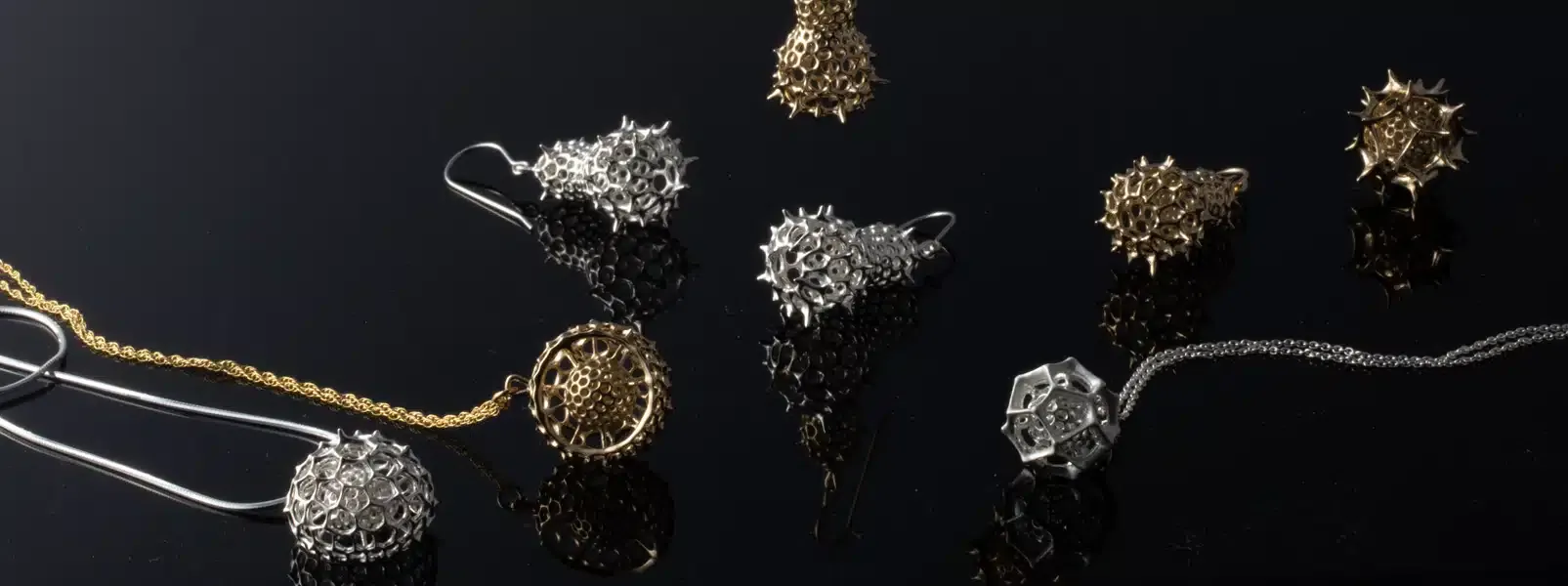
This product line explores the tension and harmony between geometric rigor and organic variation. The team drew inspiration from architectural precedents such as the Jewish Museum by Daniel Libeskind, known for its sharp angular geometry, alongside jewelry precedents like Fabergé’s multicolored rings. Their aim is to merge the discipline of precise form with the irregularity of natural systems, creating jewelry that is both structured and fluid. Early sketches included Möbius-inspired bracelets, pendants layered with parametric filigree, and rings that use both sharp edges and soft infill textures. The design language emphasizes balance: forms that appear solid yet open, angular yet curved, deliberate yet adaptive. By grounding their process in architectural tectonics and material exploration, the team framed their jewelry not as ornamental accessories but as wearable structures. Their team contract reinforced this approach, ensuring that no single piece is designed in isolation, but instead emerges from a collaborative process where each member contributes to geometry, scale, and finish. Together, the Geometry of Nature line sets a precedent for jewelry that is equally architectural and personal.

We intend to take something very geometric and put an organic spin on it.


Design Team Two
Sculpted Touch / Within the Grain

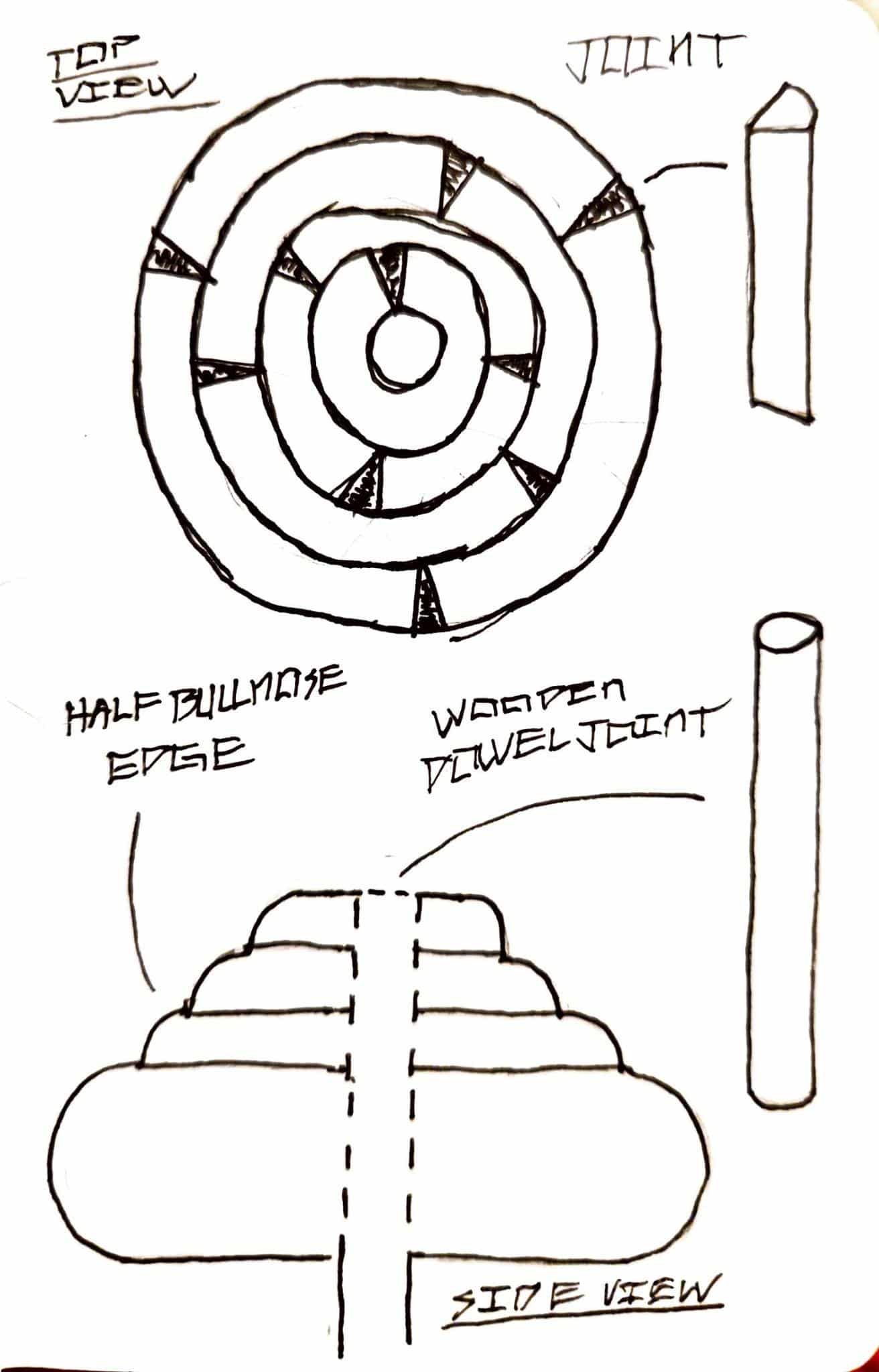
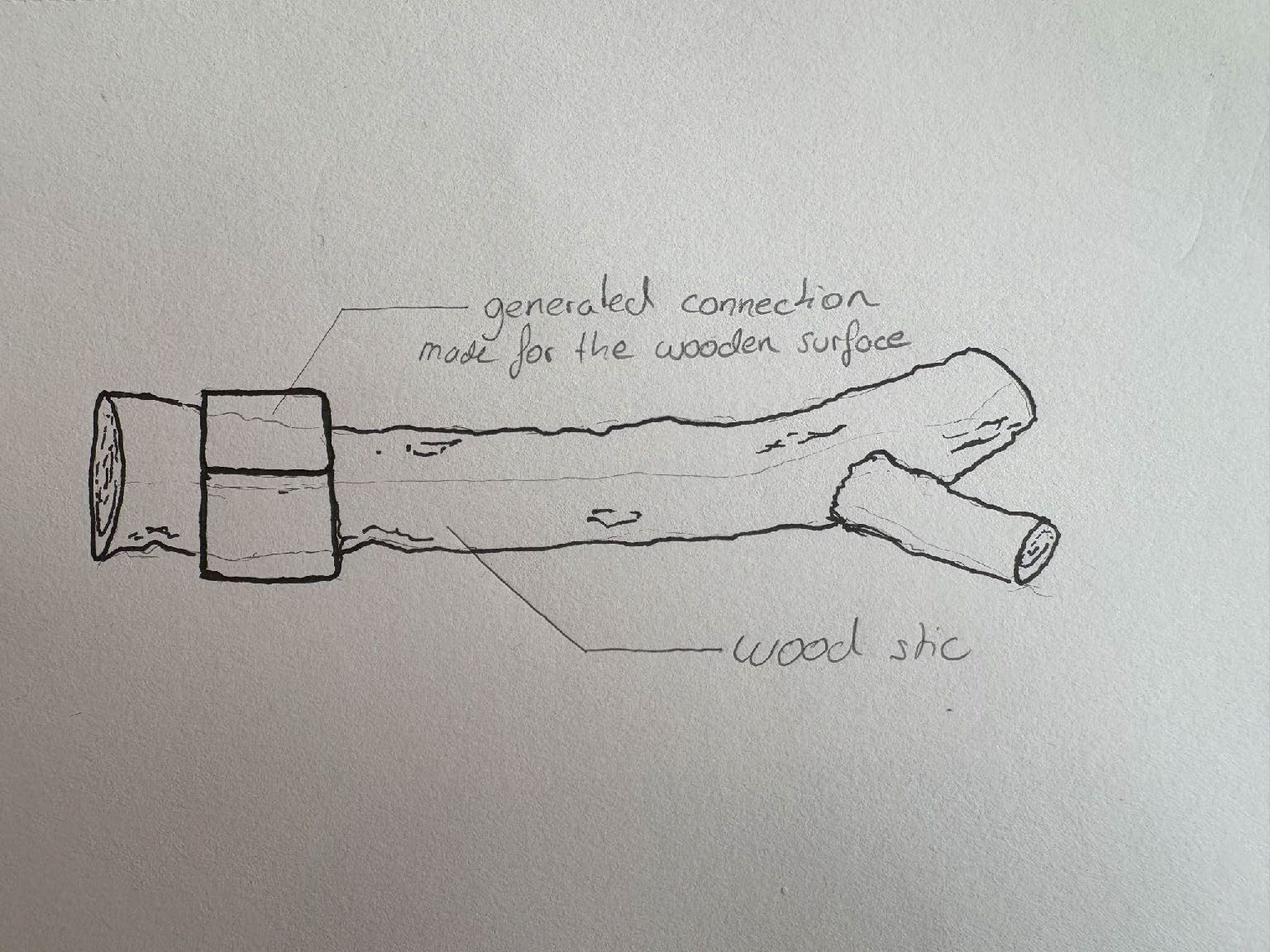
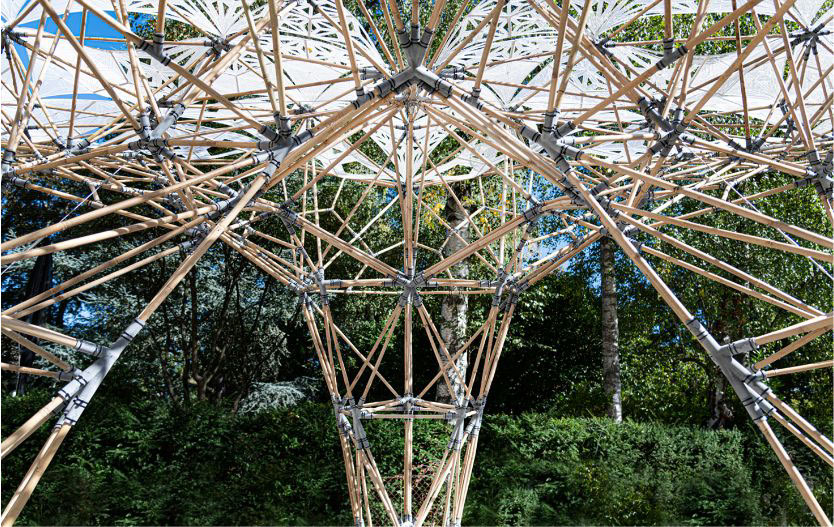
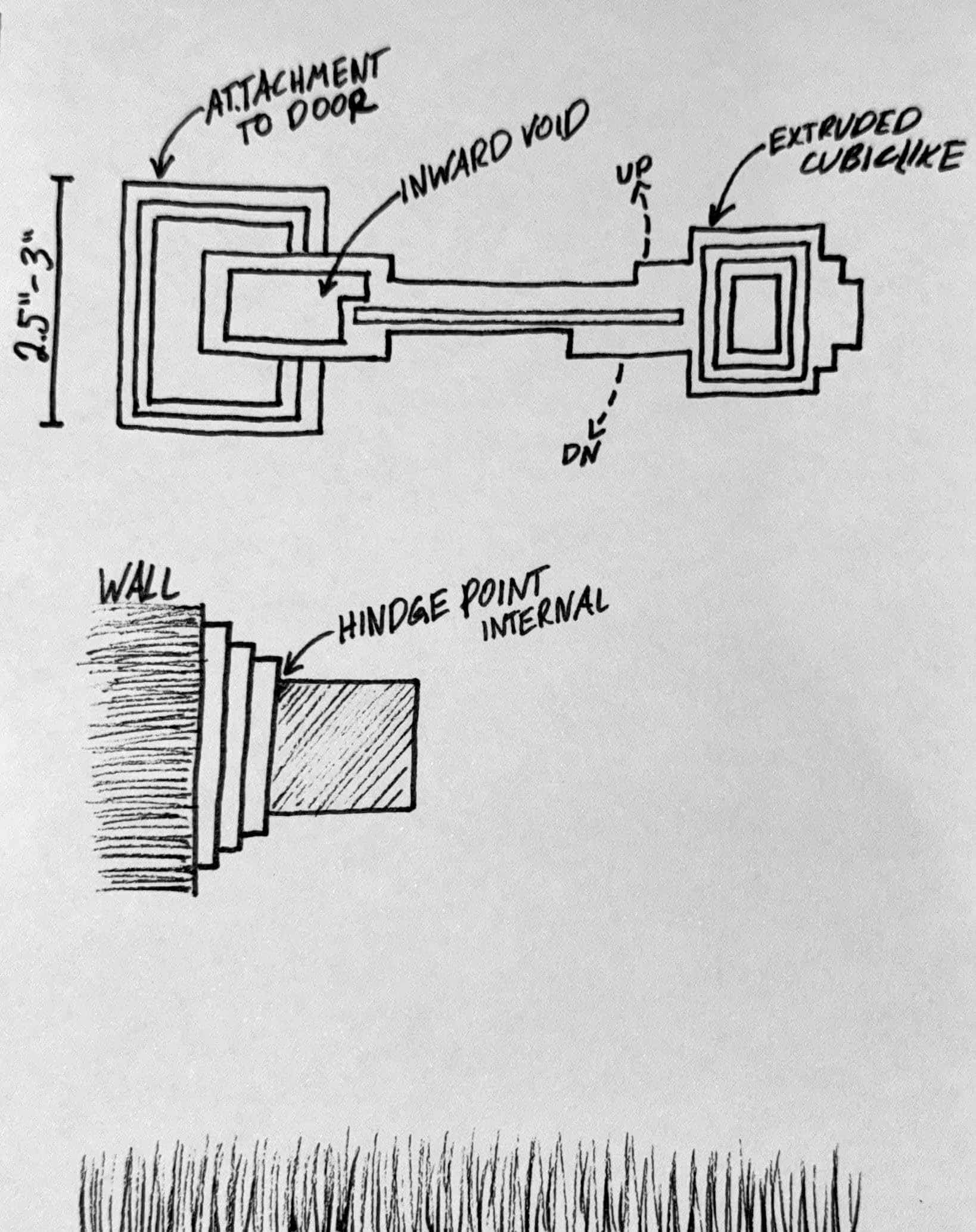
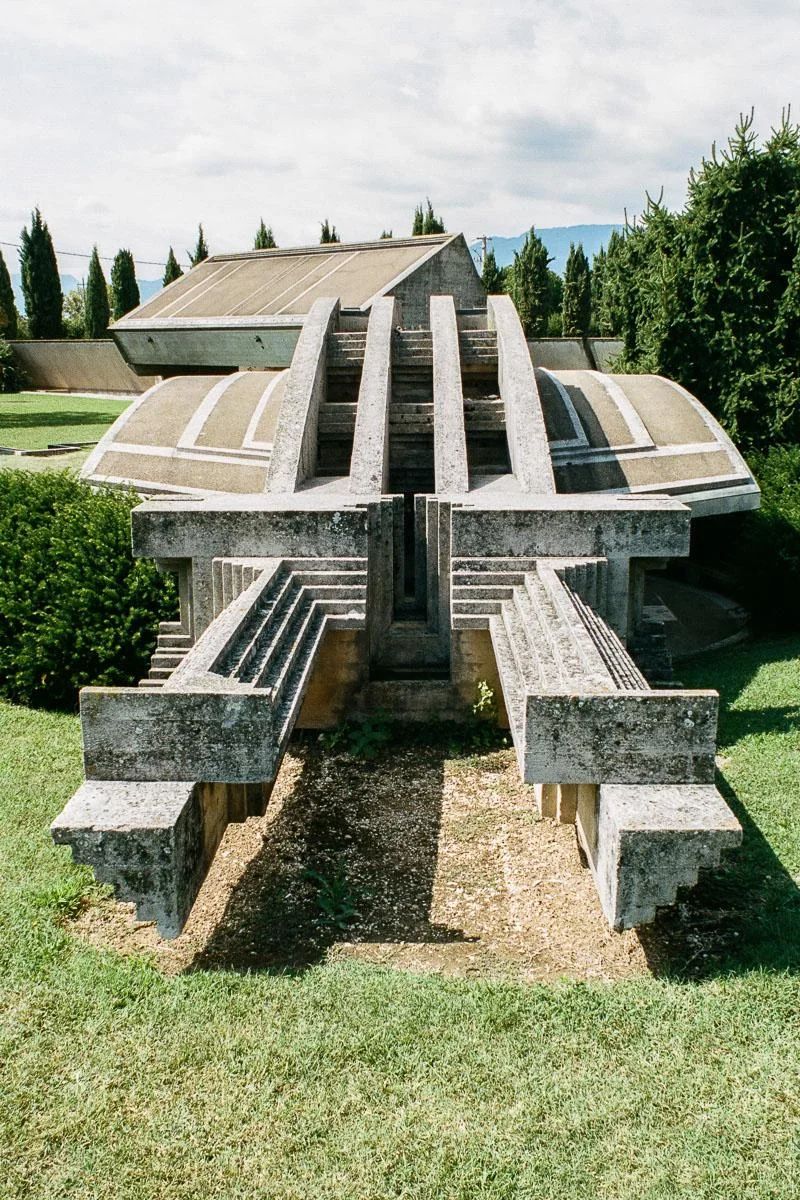
This team developed two distinct but complementary design directions. Sculpted Touch takes direct inspiration from Carlo Scarpa’s Brion Cemetery, where sculpted voids and extrusions in concrete create meaningful spatial experiences. Translating these ideas into brass knobs, handles, and hooks, the designs focus on tactility and the relationship between positive and negative space. The intention is for each hardware piece to be not just functional, but a sculptural detail that elevates its architectural setting. The second direction, Within the Grain, roots itself in the anatomy of trees—drawing from the lightness of leaves, the strength of trunks, and the adaptability of branches. These qualities informed ergonomic sketches where hooks branch outward, handles arc like leaves, and knobs echo the solidity of a trunk. By emphasizing natural wood and traditional joinery, the line highlights honesty in materiality and craft. Together, these two approaches present a nuanced study of how hardware can embody both the precision of architectural precedent and the warmth of organic inspiration. The team contract emphasized clarity, adaptability, and high-quality production, ensuring that both sub-directions retain cohesion under a shared commitment to collaborative authorship.

Design becomes a dialogue between organic irregularity and parametric precision.


Design Team Three
Vessel/ Currents

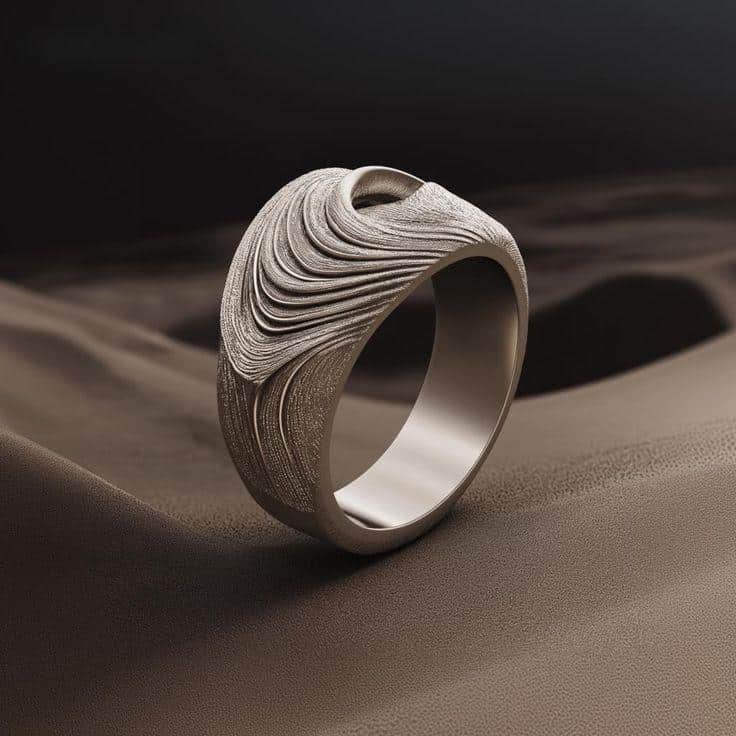
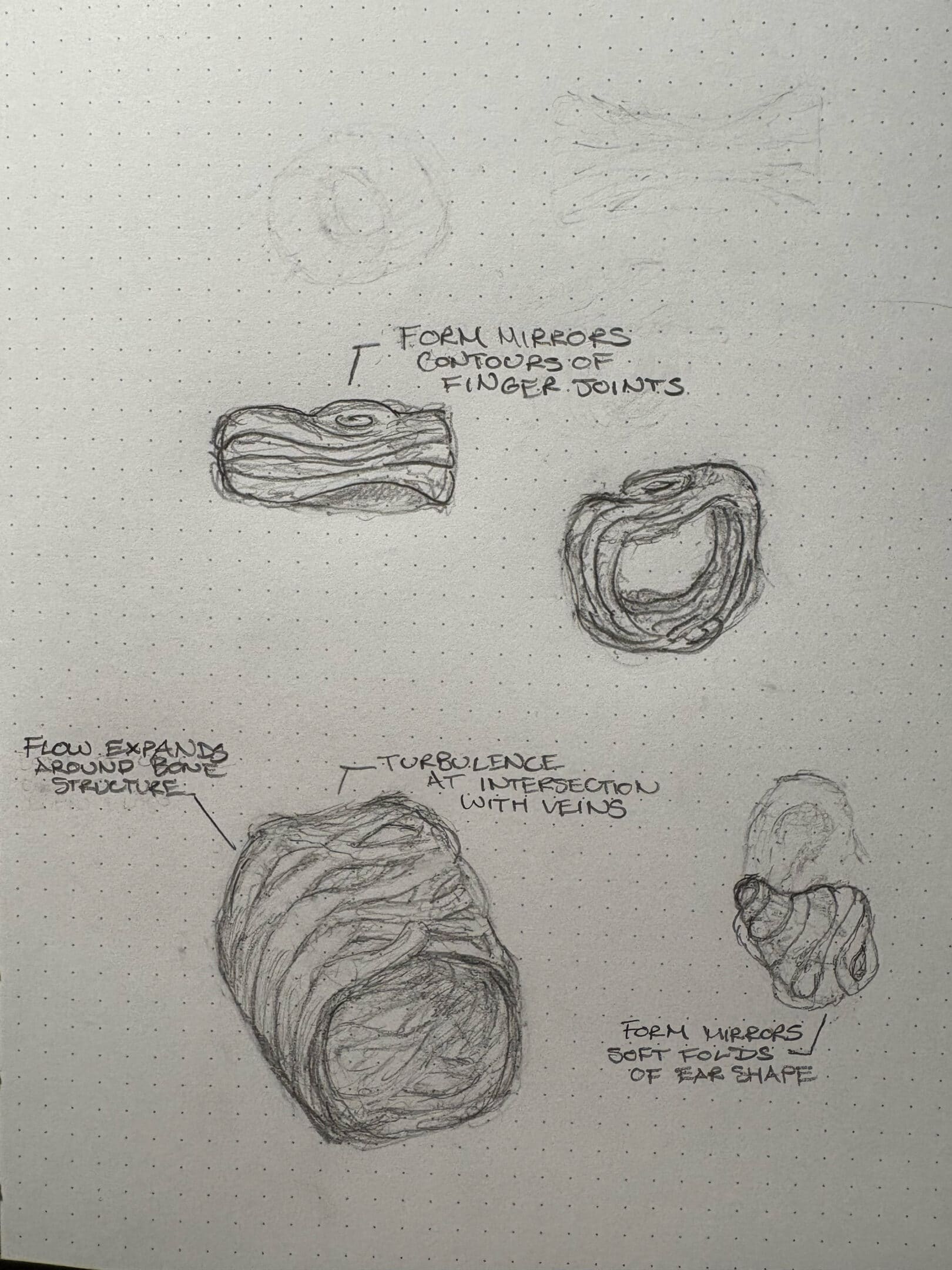
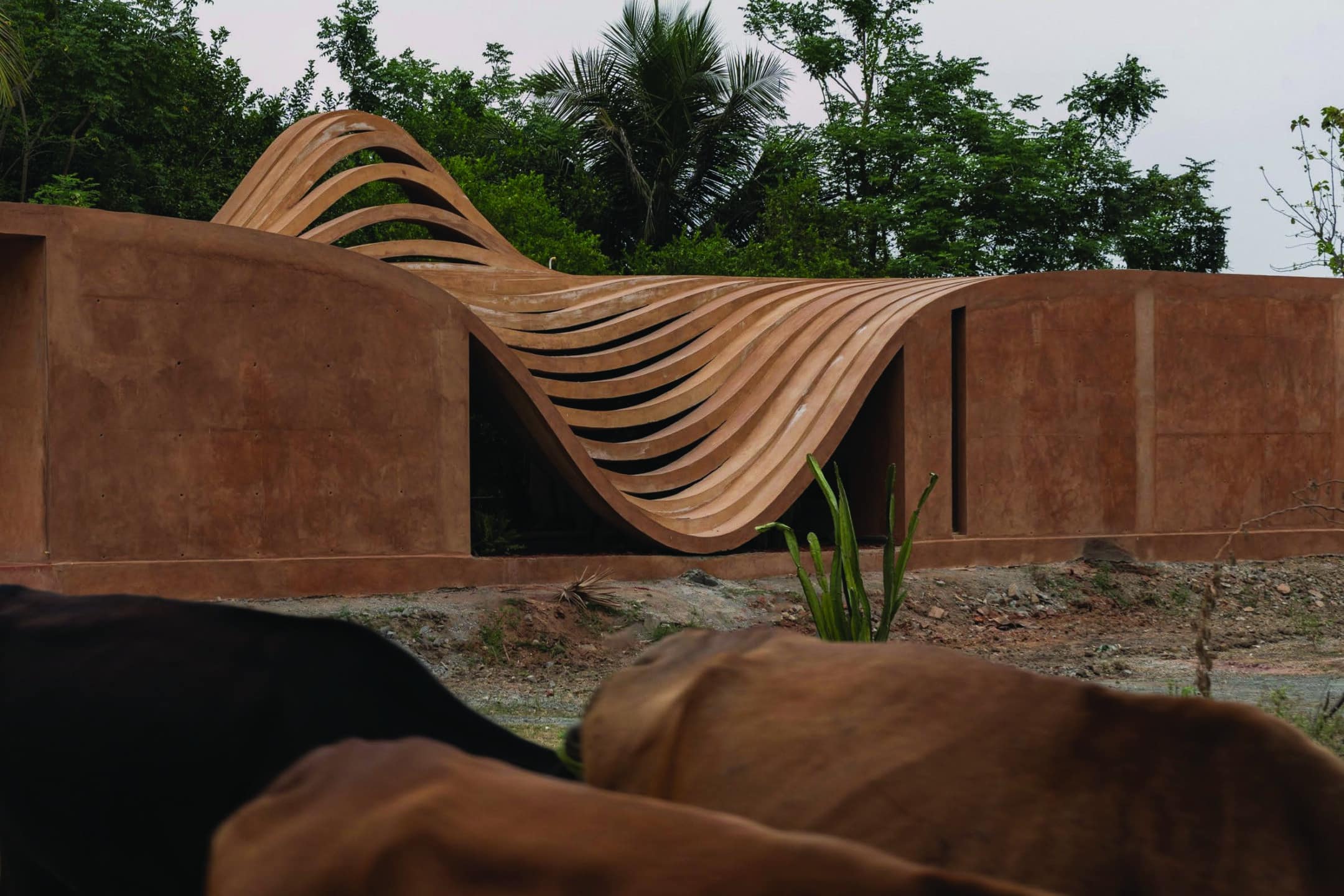
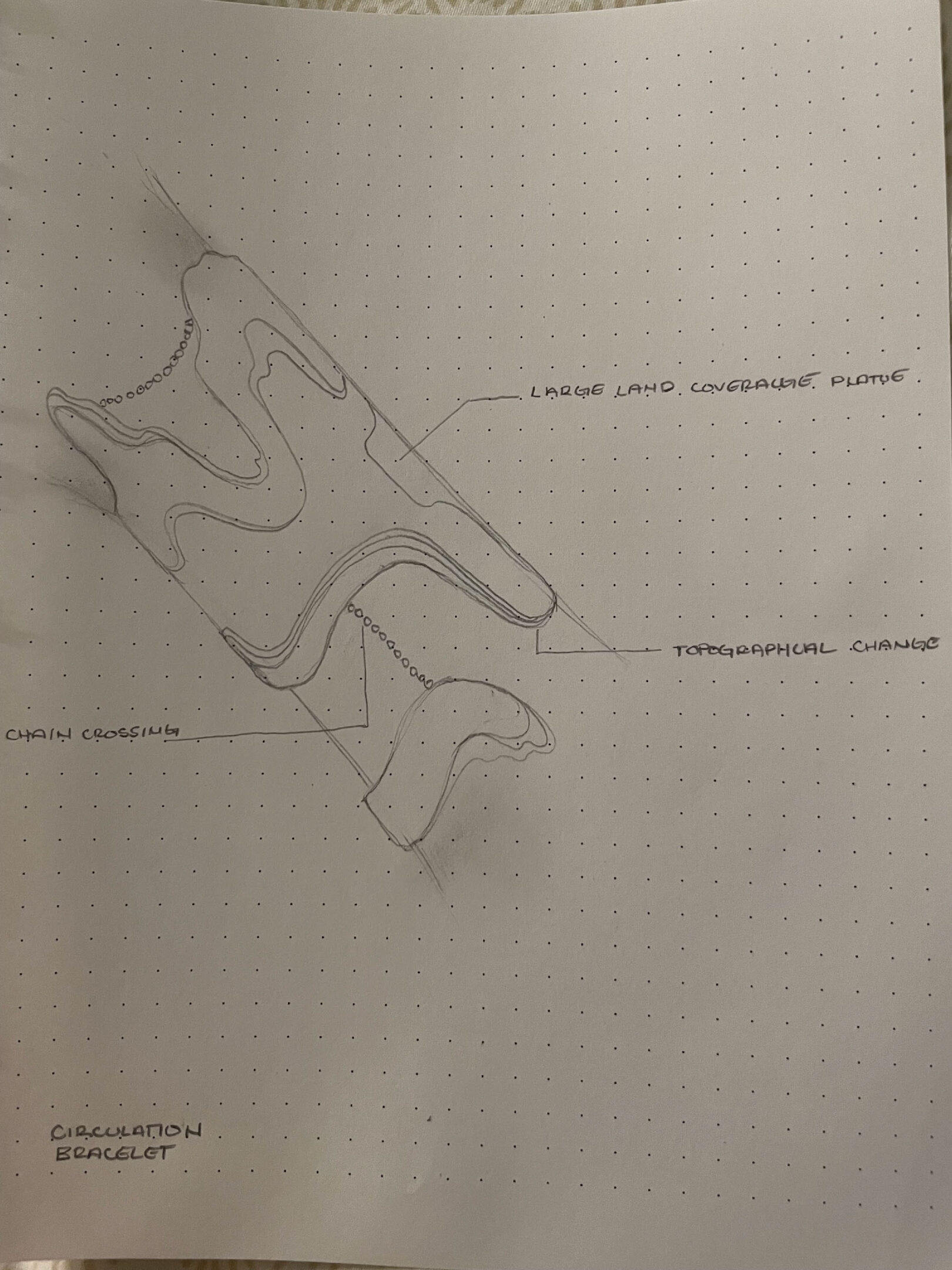
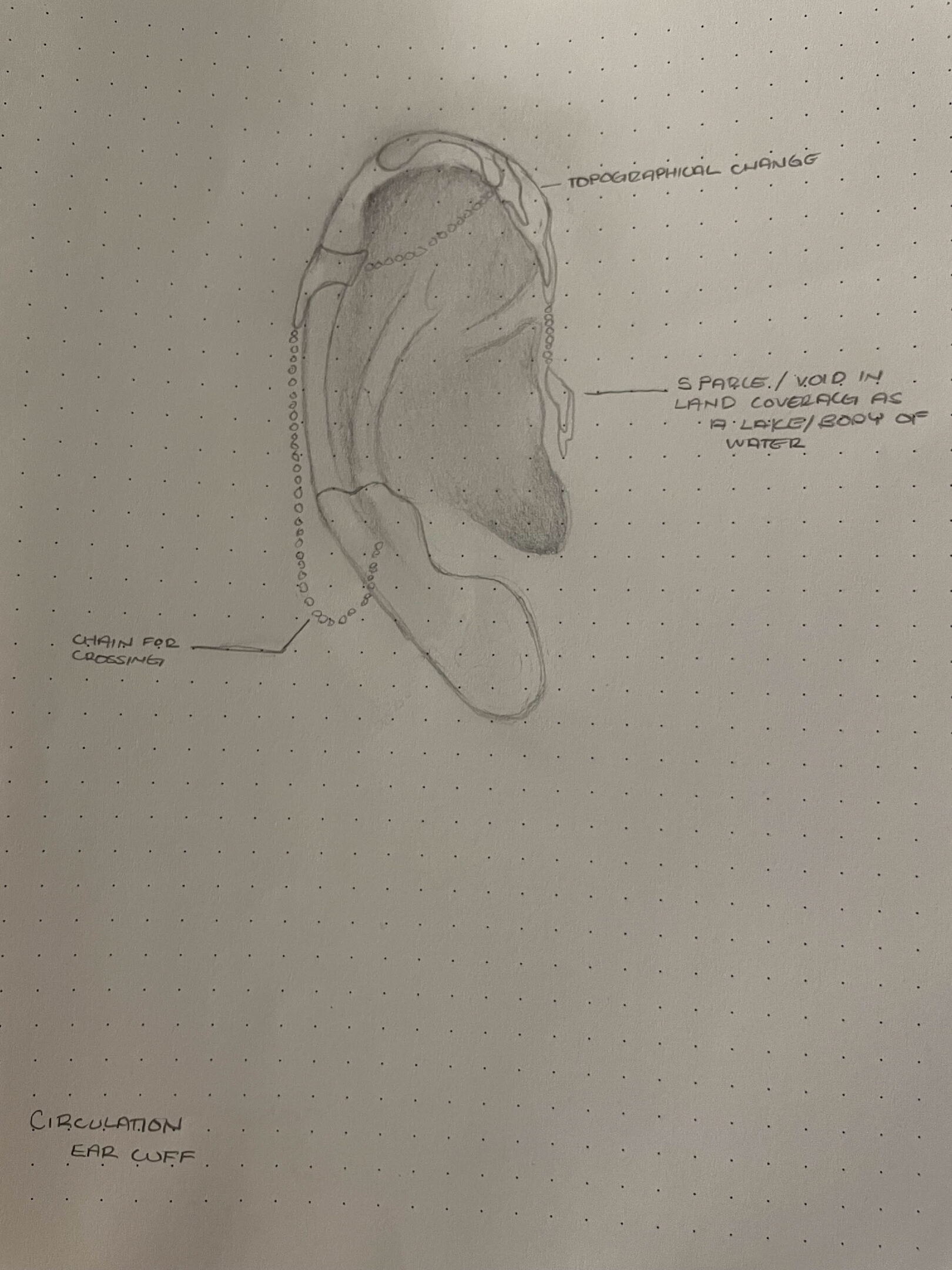
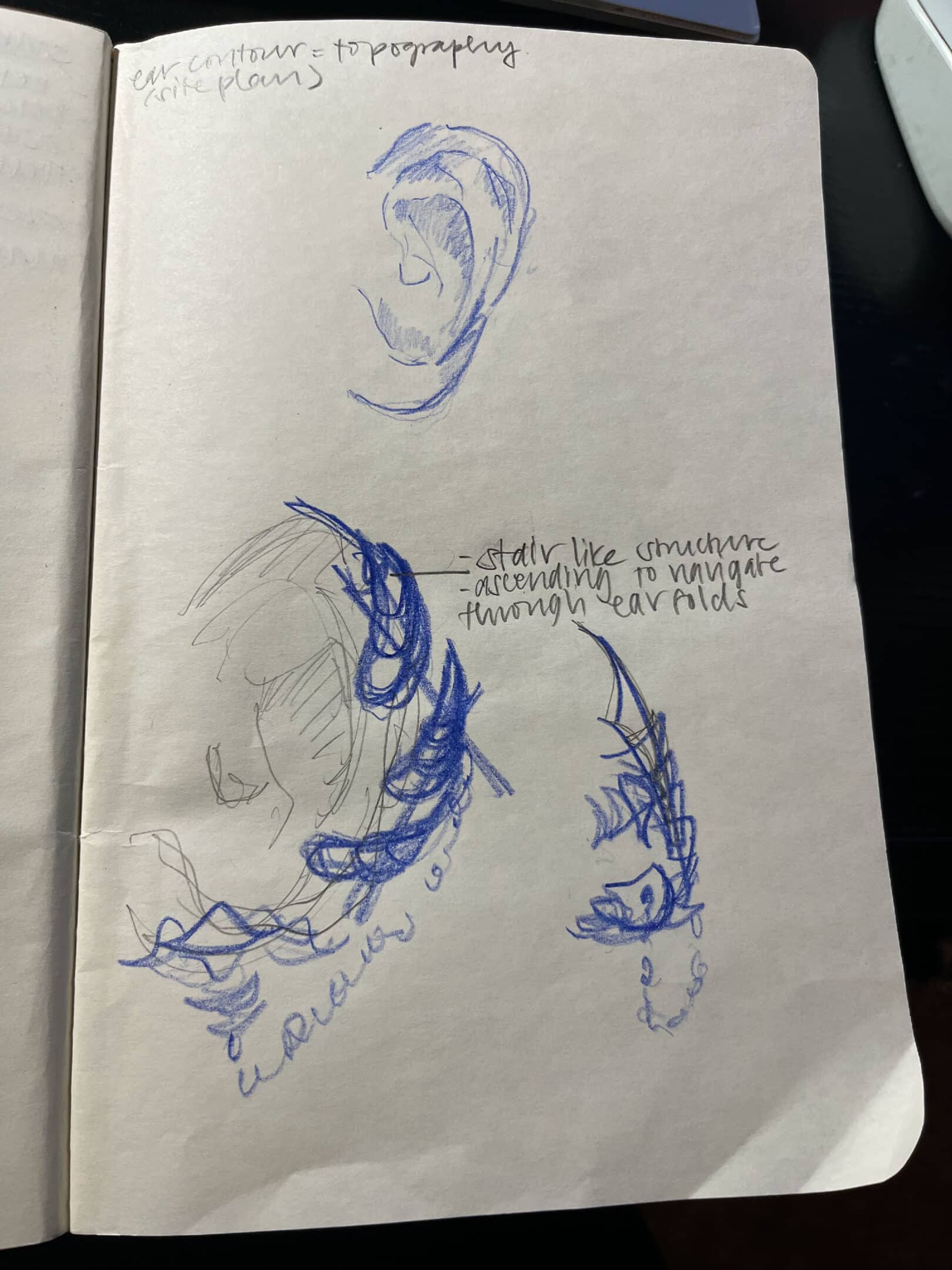
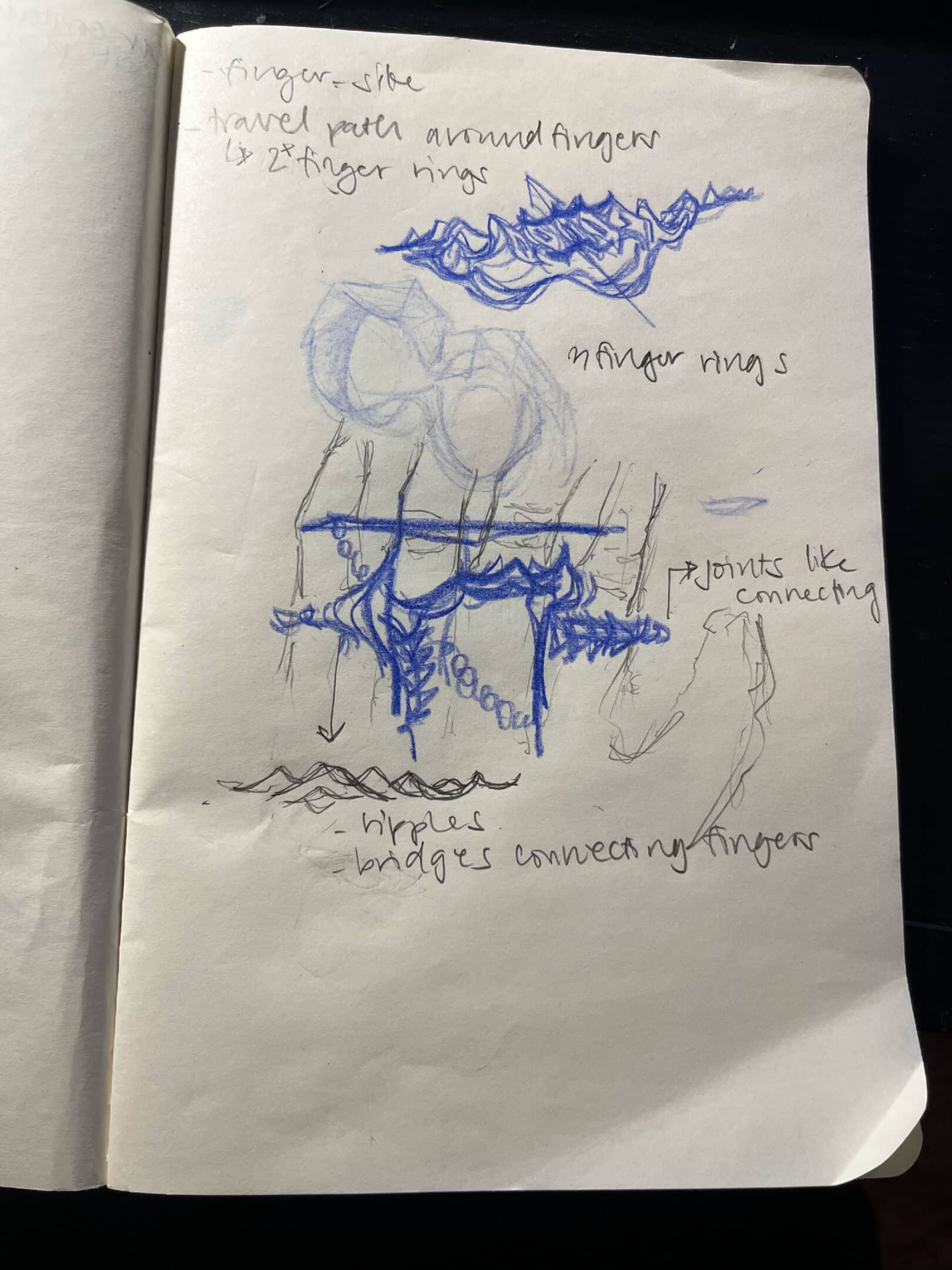
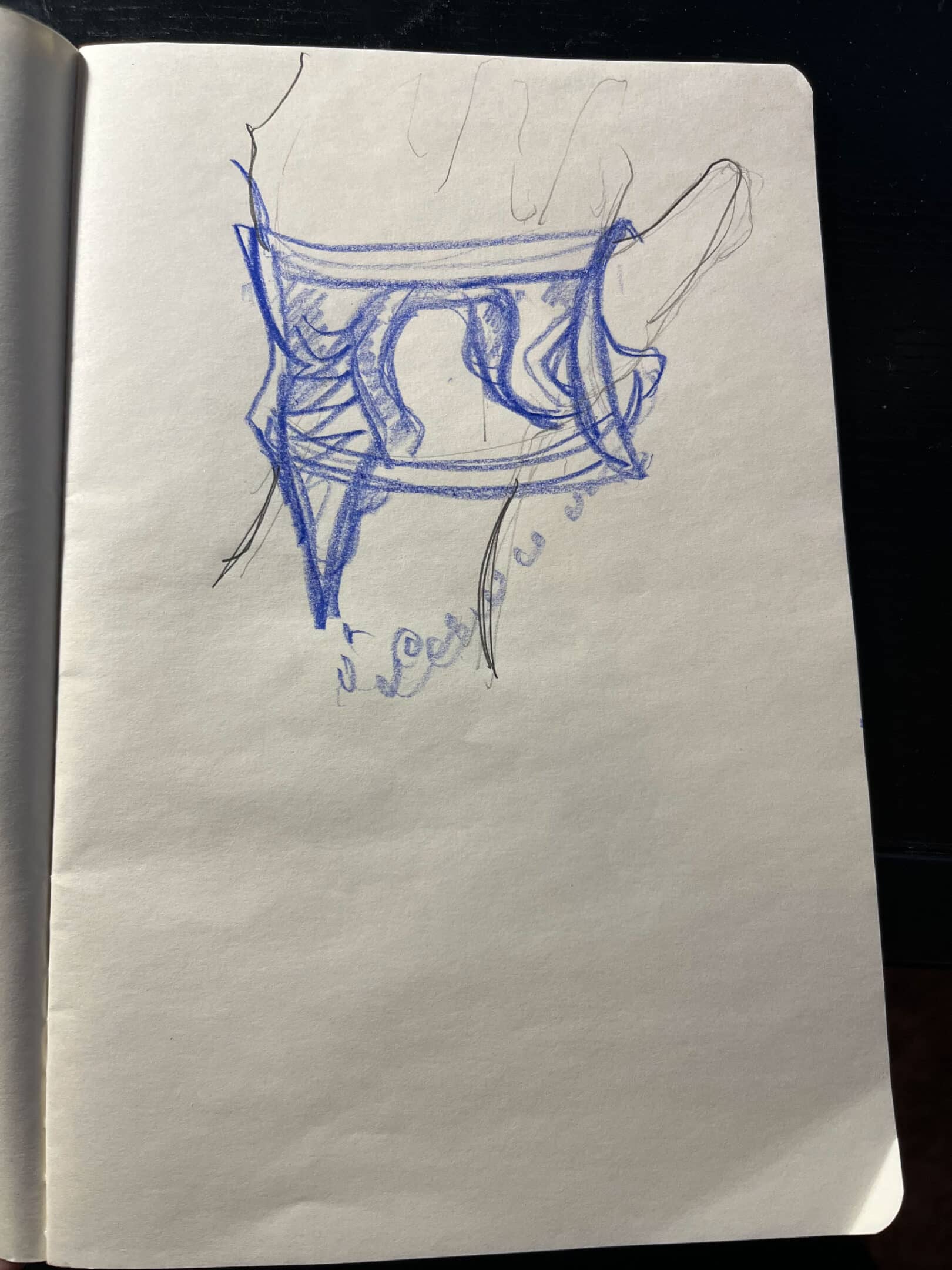
This collection investigates jewelry as a micro-architecture of flow and circulation. The team drew from architectural precedents that emphasize the movement of people and forces through space, as well as jewelry precedents that evoke overlapping waves of material. Their central question was: if circulation can shape a building, how might it also shape the contour of a body? The resulting sketches explored rings that spiral around fingers like fluid channels, bracelets that overlap in layered waves, and pendants that appear to wrap around the neck in response to anatomical topography. The material focus on metal reinforced this concept, allowing the team to explore surfaces that are both reflective and dynamic. Their concept summary described jewelry as “miniature architecture,” where turbulence, structure, and anatomical flow converge at an intimate scale. Beyond aesthetics, the collection emphasizes ergonomics—how a piece of jewelry not only looks but also fits and moves with the body. Their team contract formalized roles in concept, parametric modeling, and fabrication, ensuring a robust pipeline from sketch to prototype. Vessel Currents highlights how architecture and anatomy can converge to create jewelry defined by movement, materiality, and precision.

If jewelry’s form were to represent movement, how would it flow around the profile of human anatomy?


Design Team Four
Flourish

Drawing from Art Nouveau and Gothic precedents, Flourish explores the decorative as a driver of tactile engagement. The team examined historic hardware examples, including works by Victor Horta, and drew from Gothic ornament to inspire patterns of flowing repetition, pointed motifs, and floral extensions. Their sketches explored three key objects: door handles designed as continuous extrusions that contour to the palm, door knockers with cascading organic forms, and hooks branching out with floral-like multipliers for increased utility. These designs merge ornamental flourish with ergonomic logic, ensuring that the pieces not only capture visual richness but also perform comfortably in the hand. Materials were considered as central to the effect, with options ranging from cast metals for weight and presence to lighter composites for intricate detail. The line aims to reintegrate decorative language into hardware without compromising function, framing touchpoints in daily life as moments of artistic encounter. Their collaborative contract emphasized the importance of cohesion across individual sketches, ensuring that every handle, hook, and knocker reinforces the shared vision of fluid, ornamental ergonomics. The Flourish collection thus brings forward a contemporary interpretation of historic design movements, translated into hardware that is both utilitarian and evocative.

Crafted to naturally fit the hand, these pieces carry Art Nouveau’s flowing artistry into everyday touch.


Reflections

This first milestone demonstrates how architectural precedent and material analysis can directly shape small-scale design objects. Teams were challenged to move fluidly between architecture, jewelry, and hardware, discovering how tectonics, ergonomics, and material presence unify into a design language.

By setting contracts early and anchoring work in precedent, you’ve built a strong conceptual foundation. These product lines—whether inspired by geometry, nature, circulation, or Art Nouveau—will now evolve into fabrication-ready prototypes in the coming weeks.

Students leave with a toolkit of parametric design, fabrication, and documentation skills ready for professional application.


Ken Marold

Instructor & Studio Coordinator, American School Design Build

Current Courses: American School Design Build Studio, Gibbs Collective Creating Seminar: Digital + Material Strategies, Methods 2: Patterns in Architecture 

Behind the Build

Built Works

Contact us to learn more!