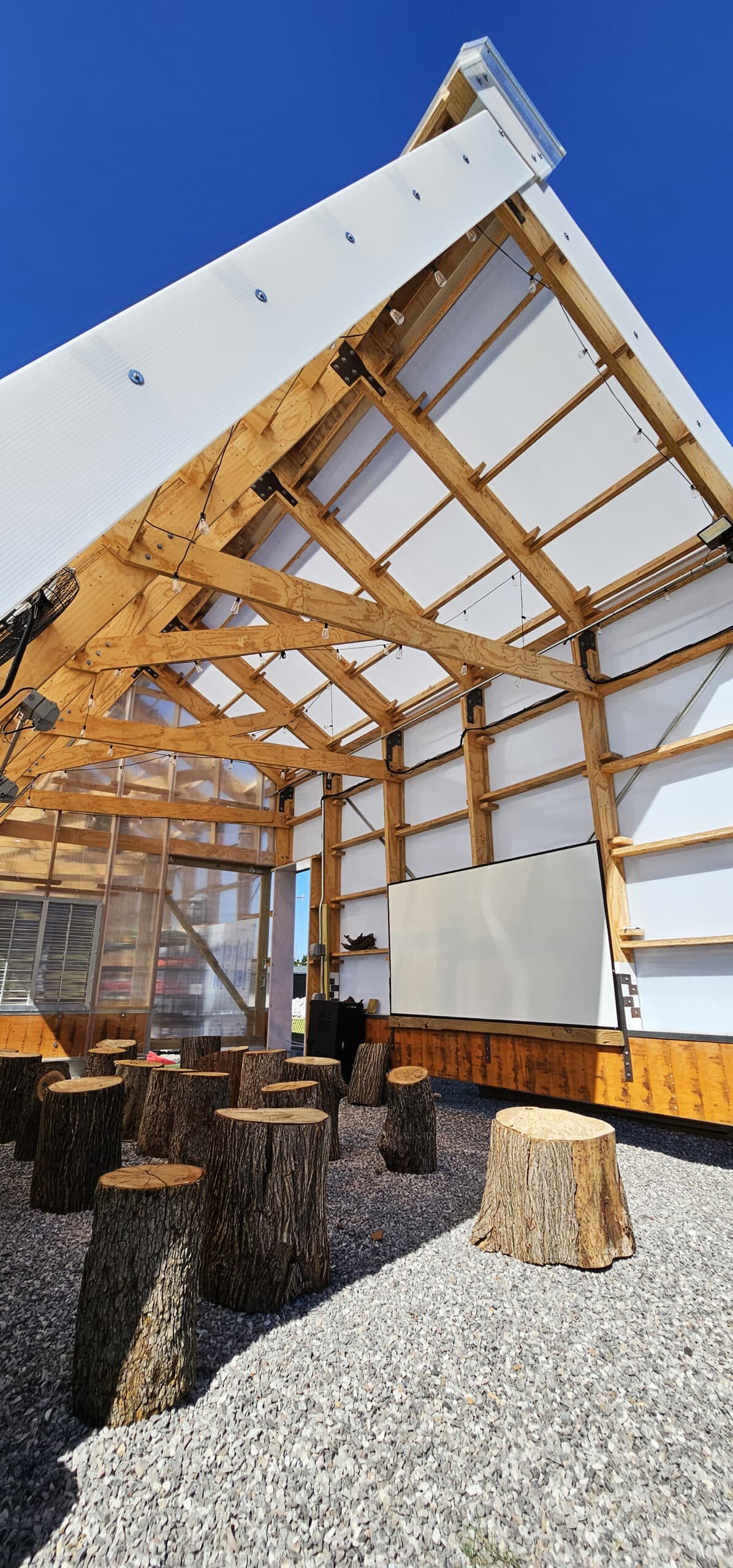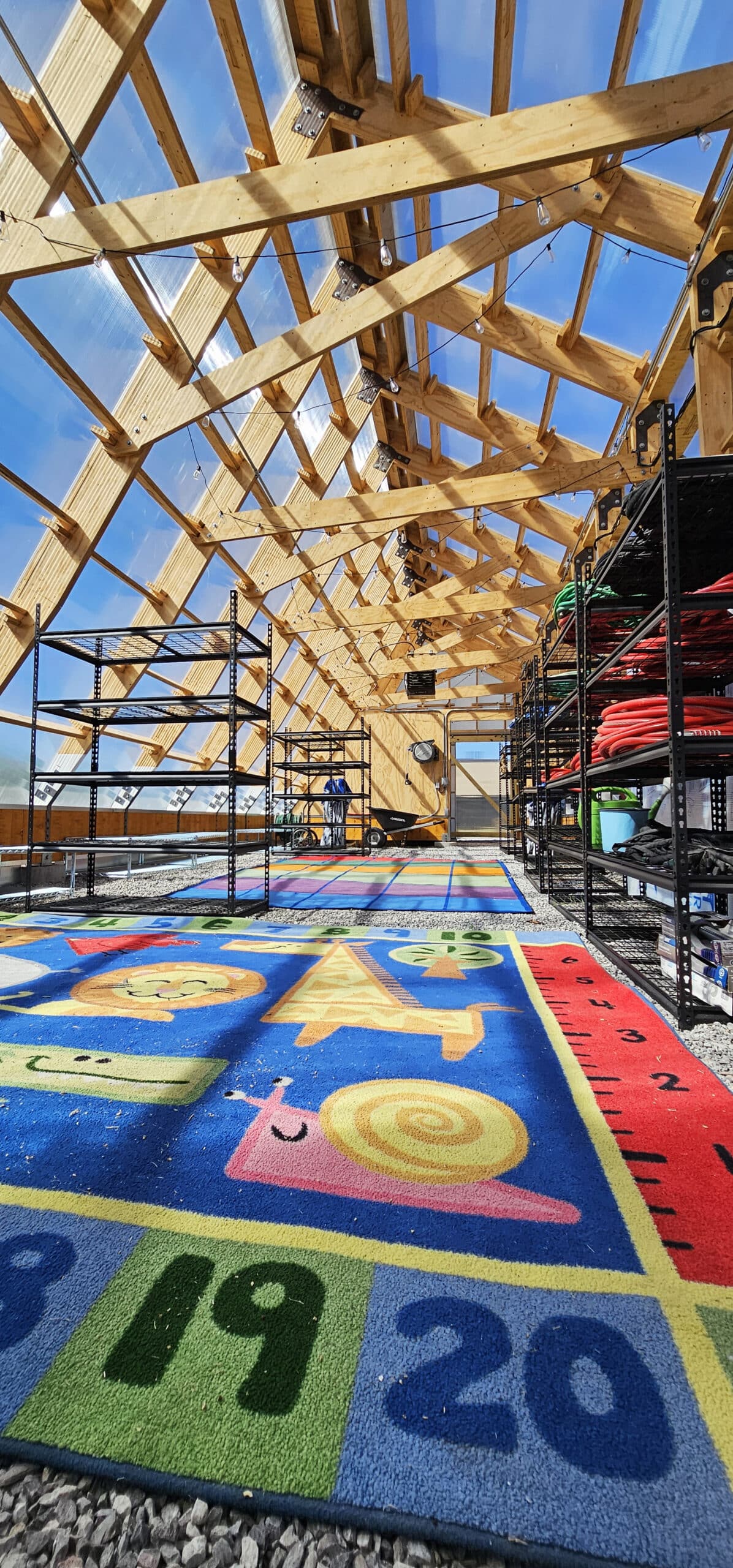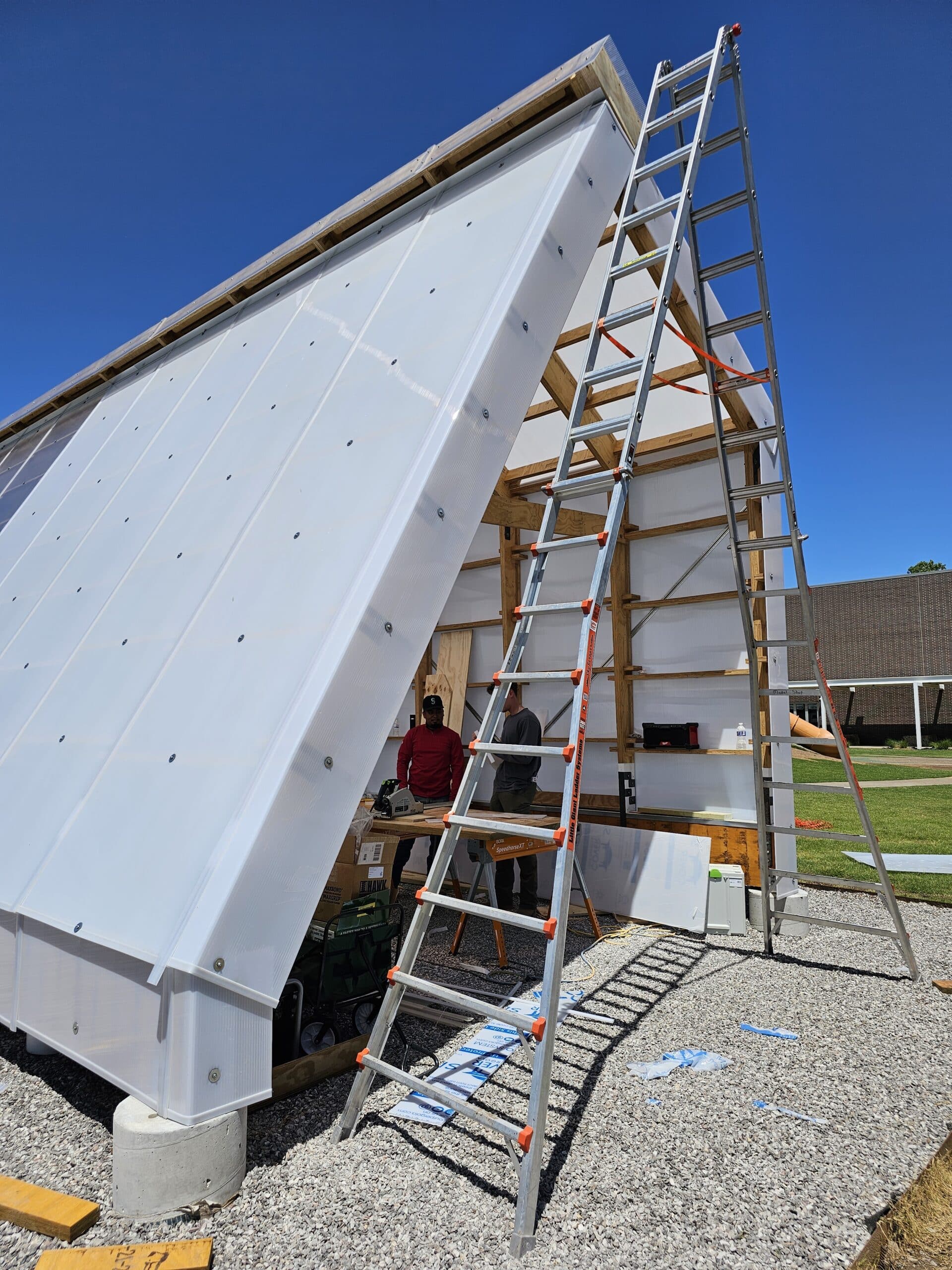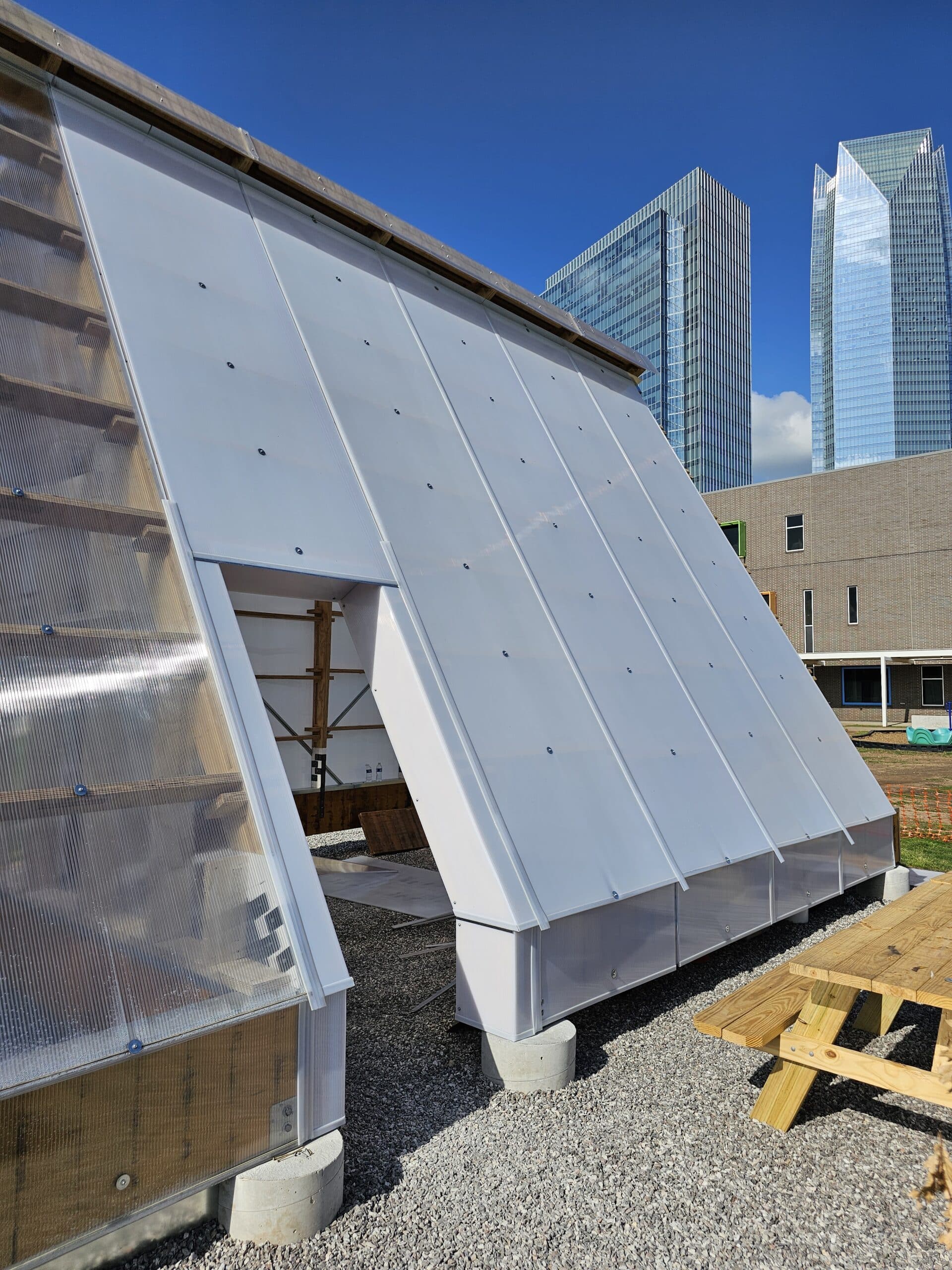
The Urban Learning Greenhouse at John Rex Charter School in Oklahoma City serves as a space for education, sustainability, and community engagement. The design-build project was created in response to the need for urban agriculture education, showcasing a commitment to both education and community involvement.
The two-semester project involved 10 fifth-year architecture students and 15 construction science students. This collaboration provided them with a comprehensive understanding of design, construction, sustainability, digital fabrication, and community engagement.
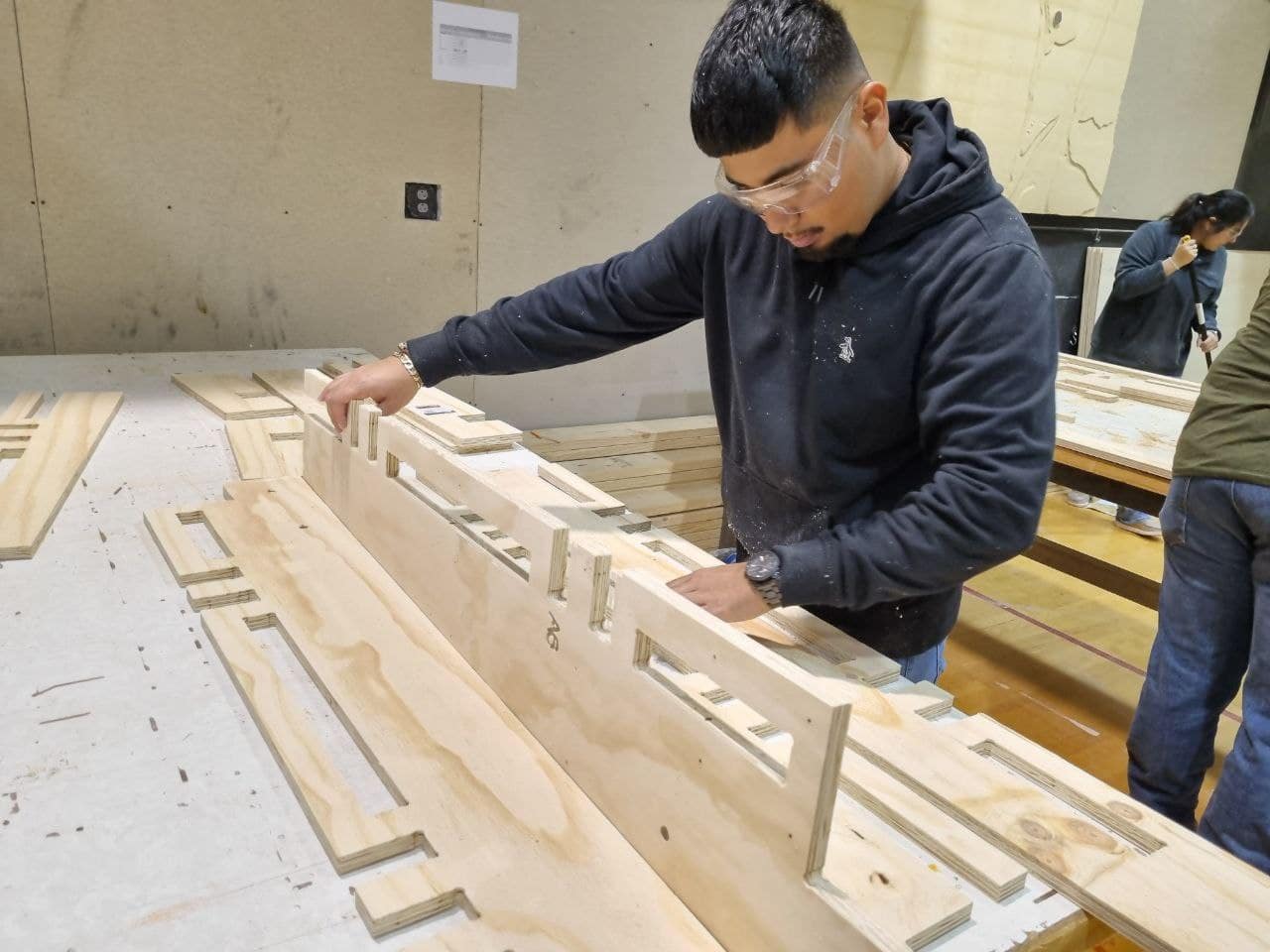
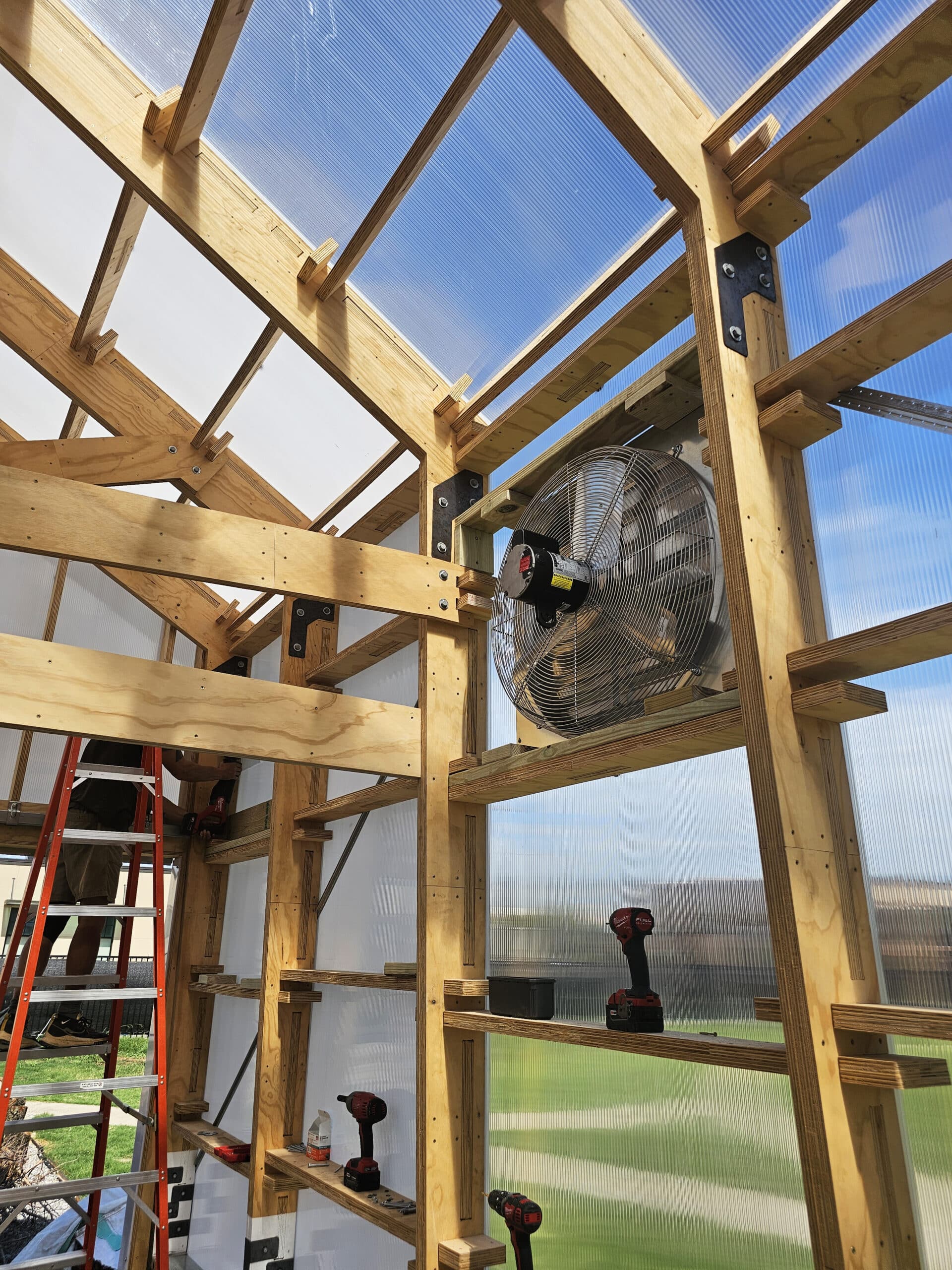
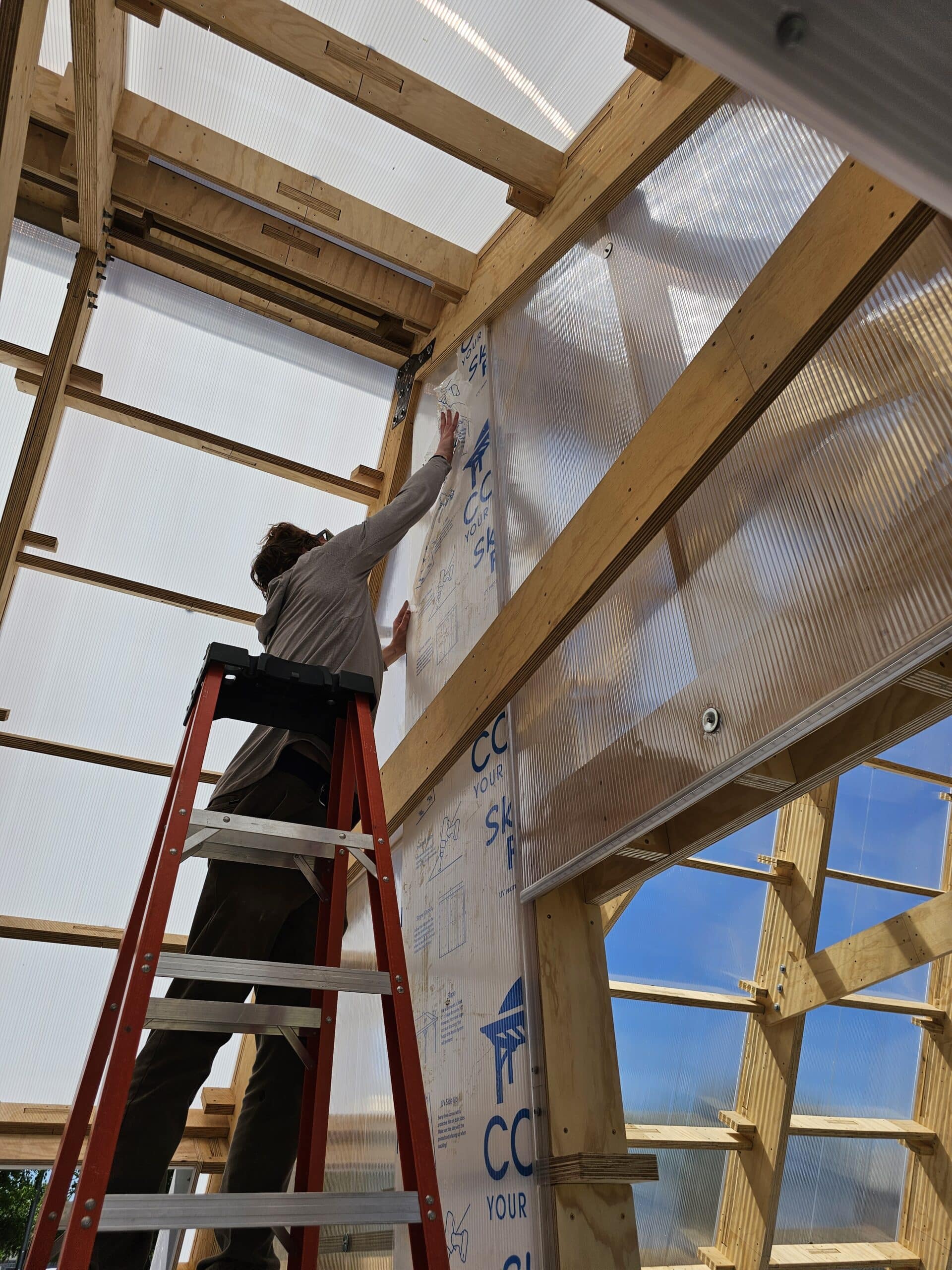
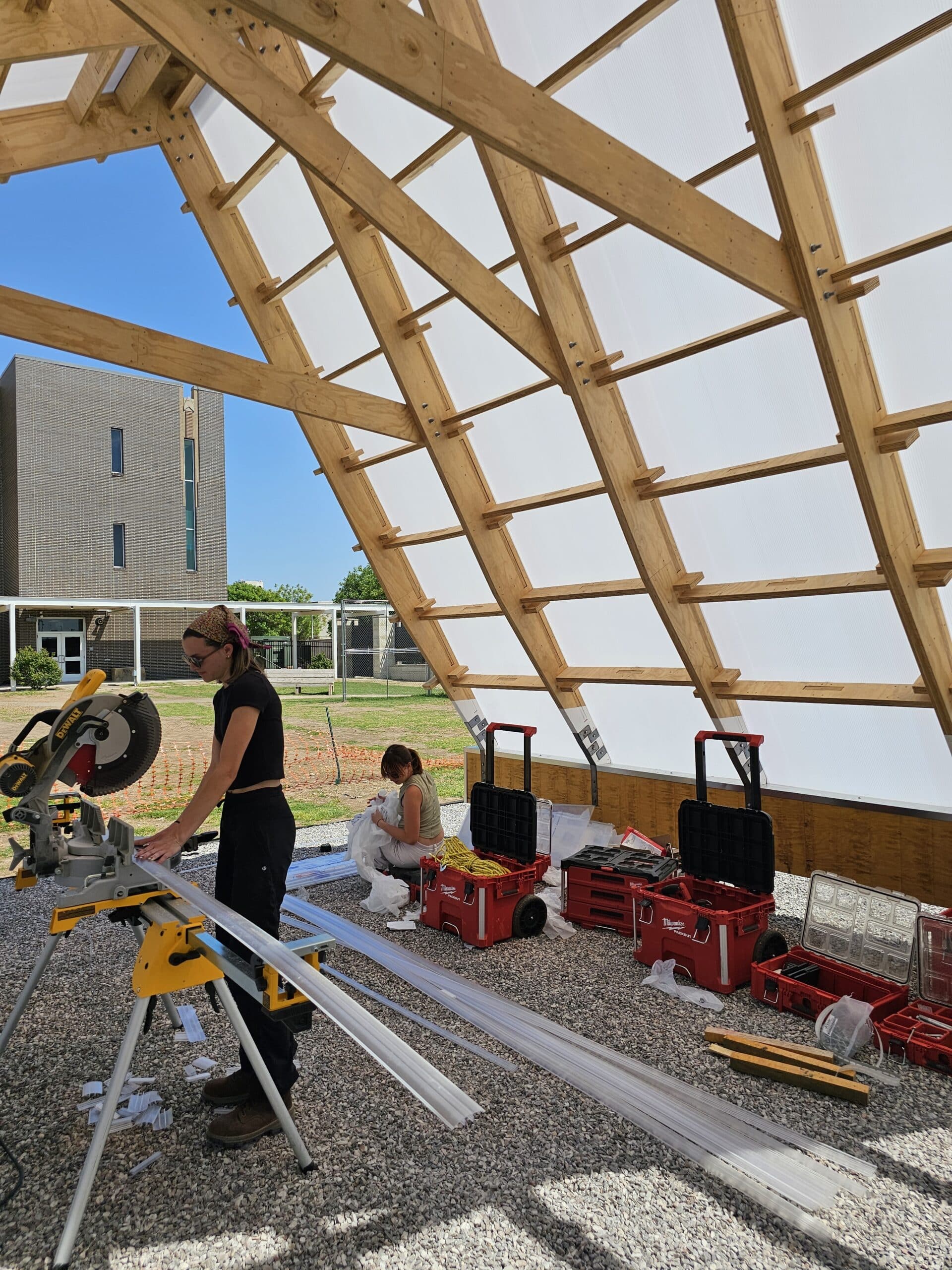
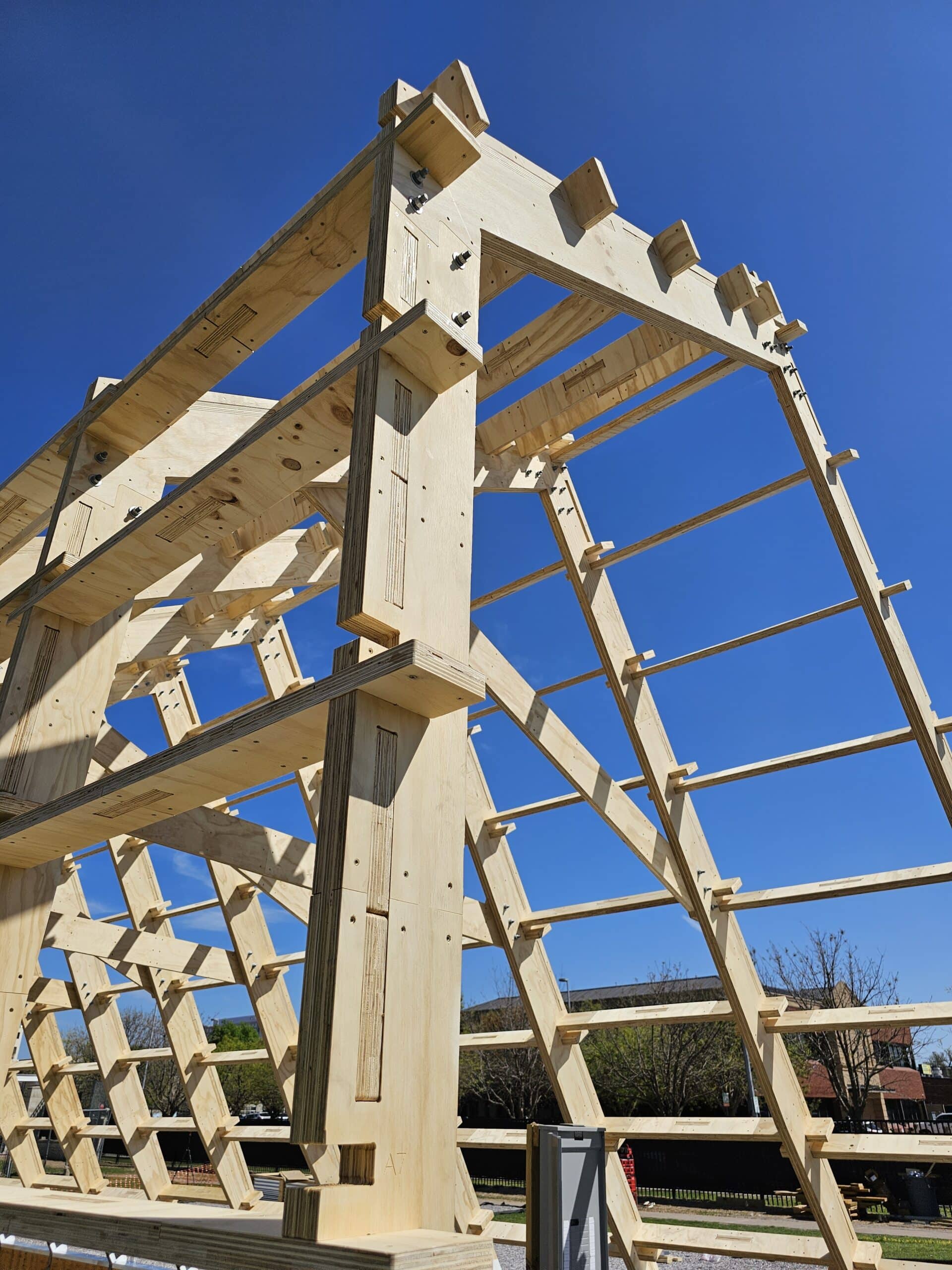
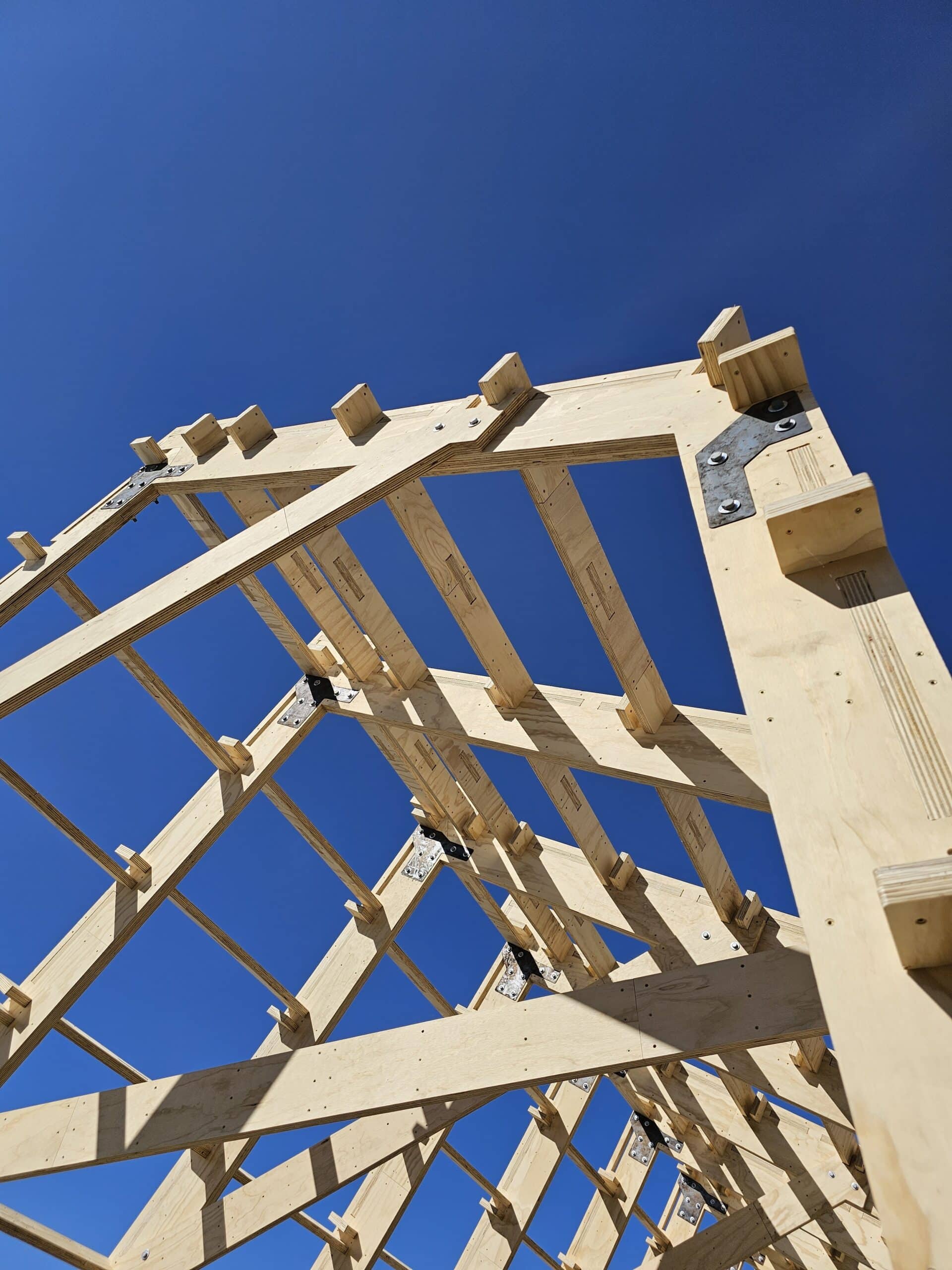
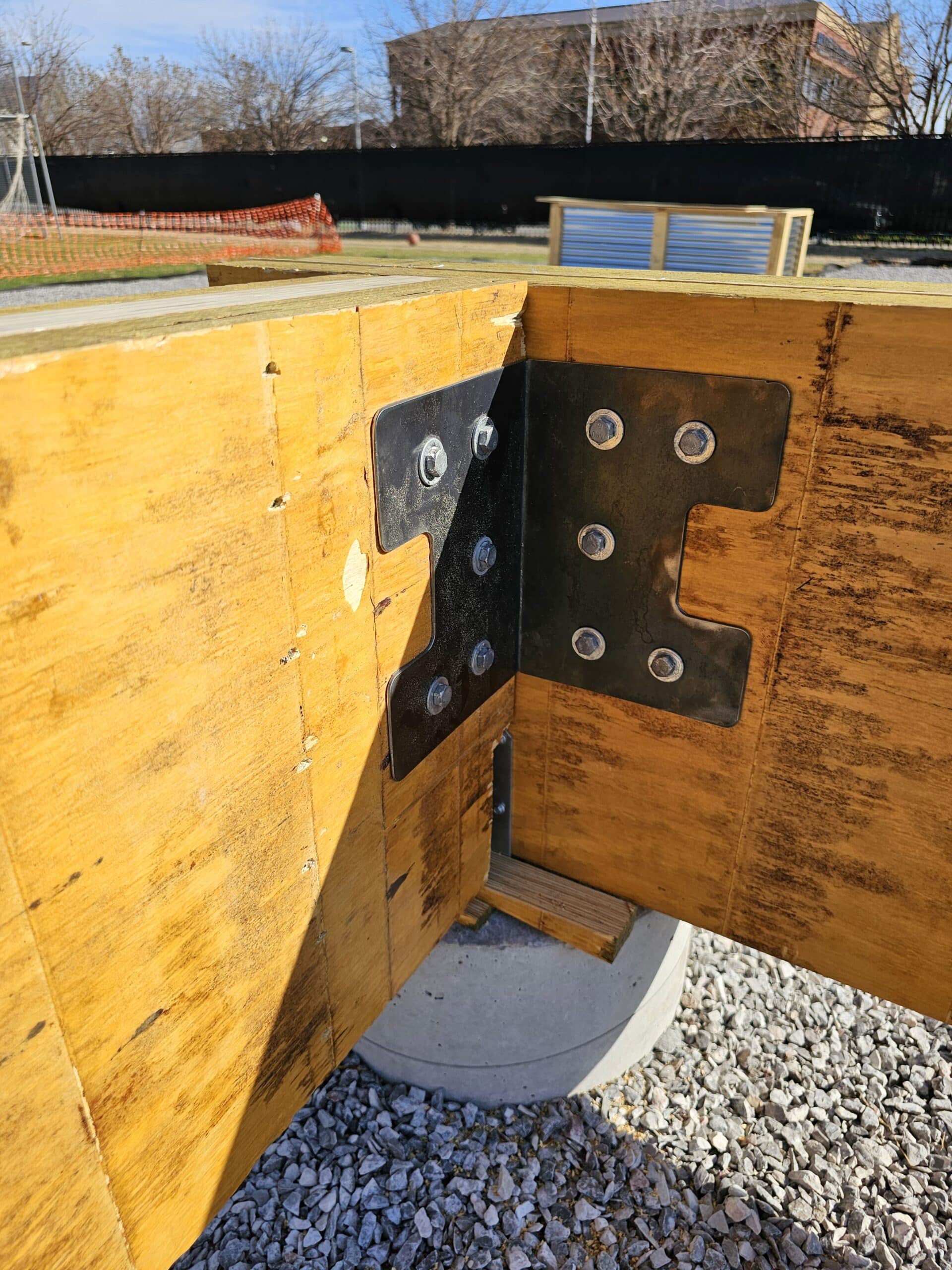
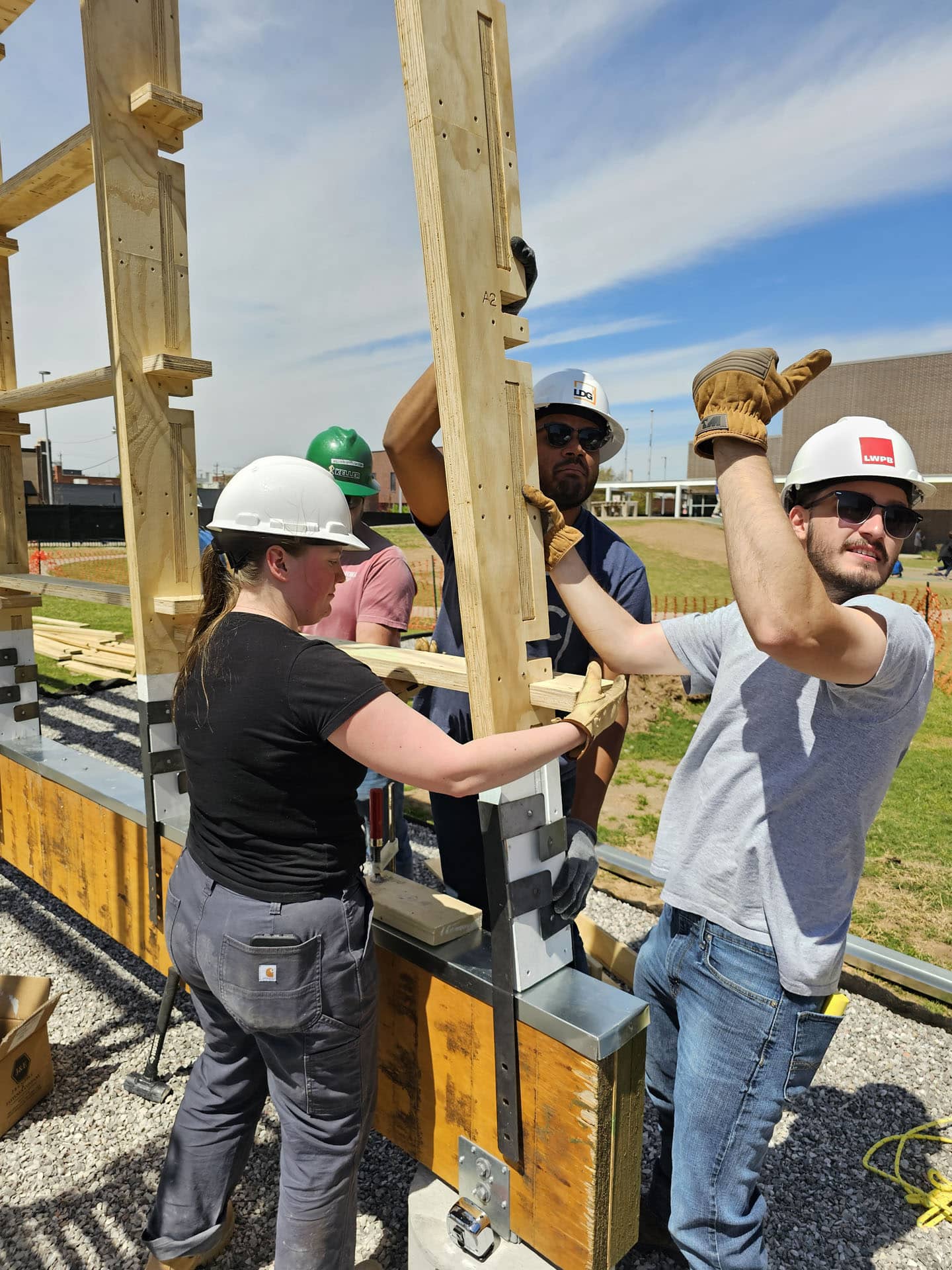
Tectonics and modularity were key elements of the project’s design. Modular polycarbonate panels, CNC-milled plywood and plasma-cut steel connections were used to allow for efficient assembly and sustainable material use. This approach enabled students to work within a limited budget while producing a high-impact result, promoting flexibility, efficiency, and interdisciplinary collaboration.
Vacant Corner to Thriving Hub
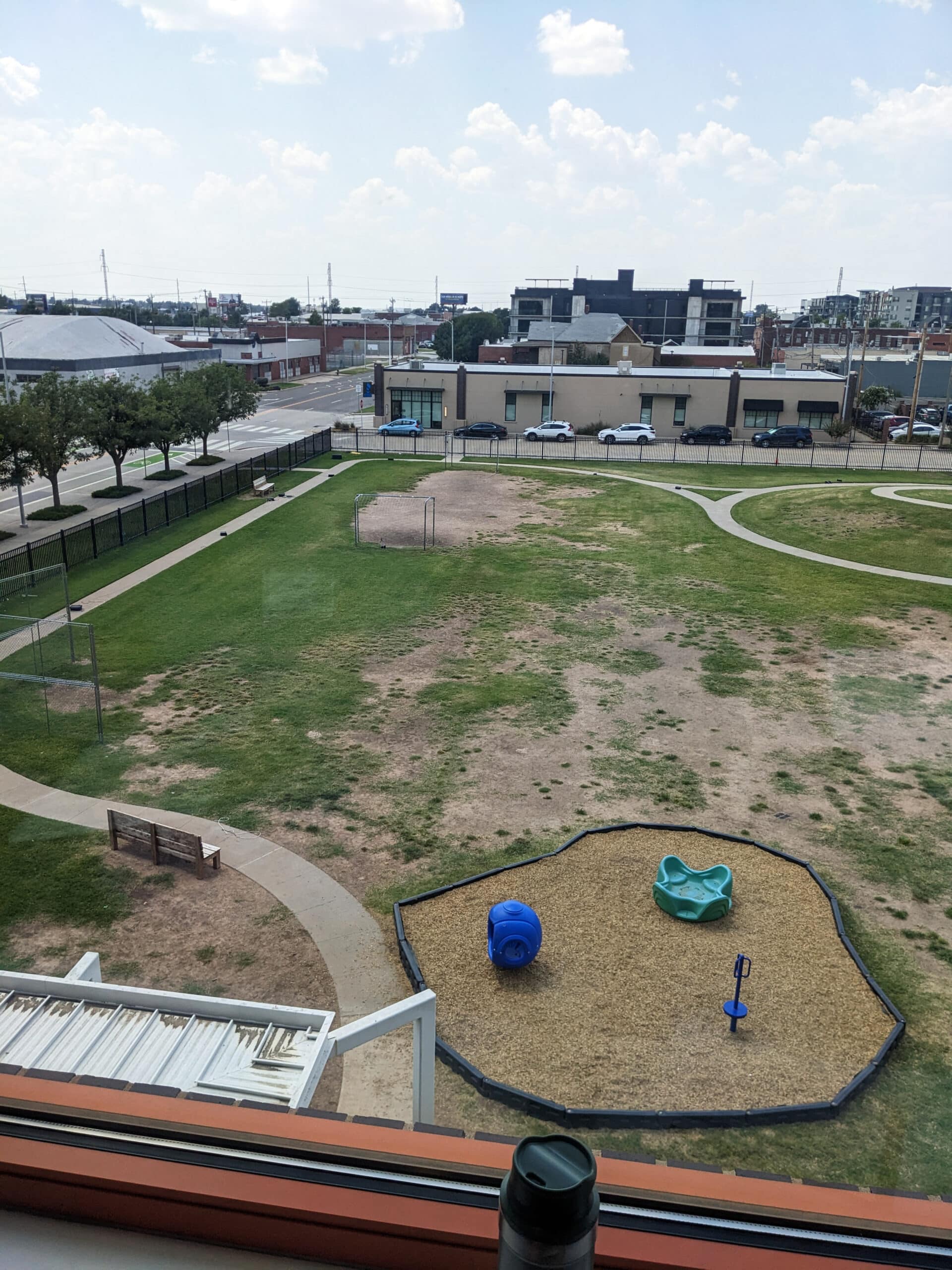
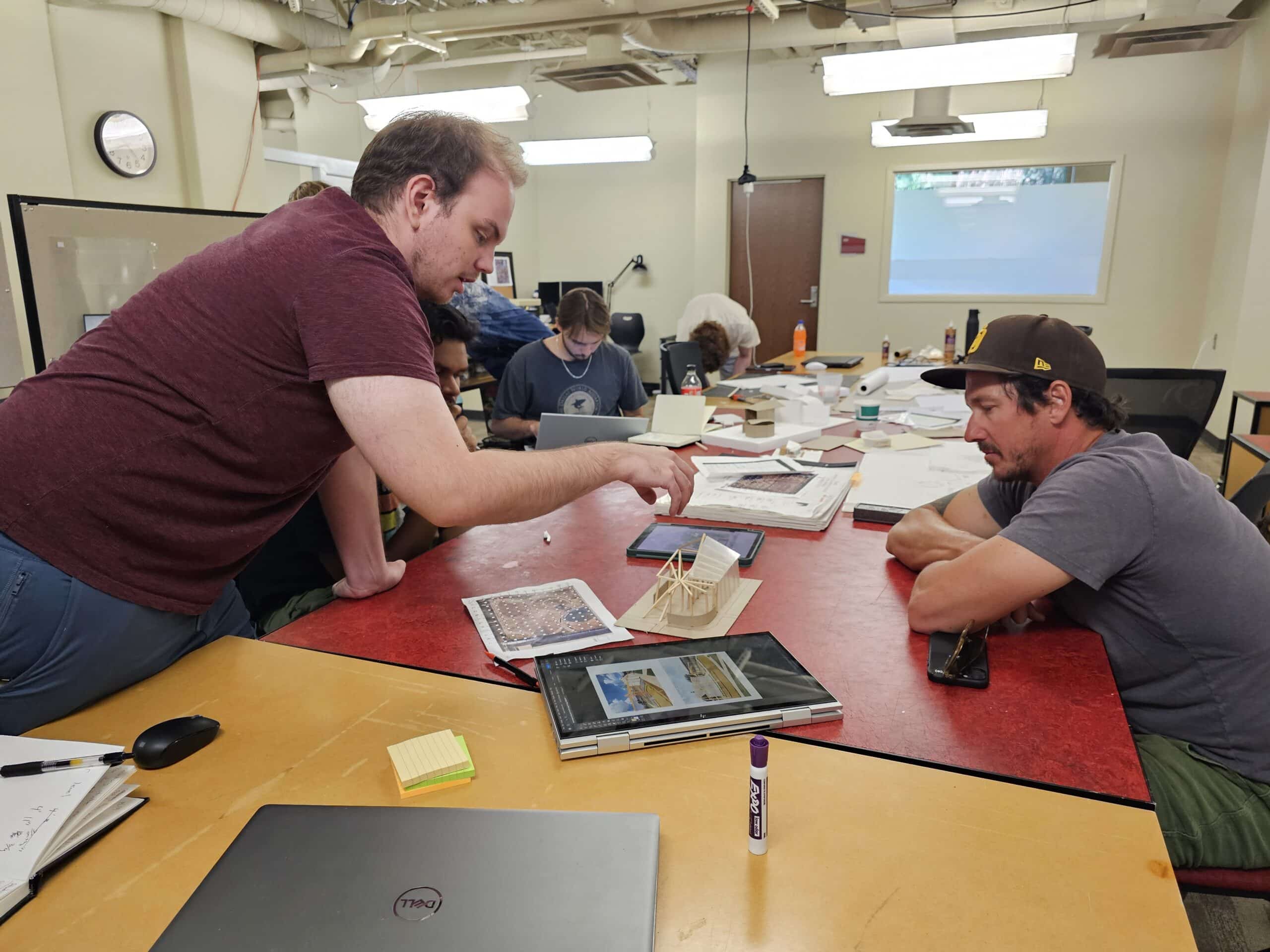
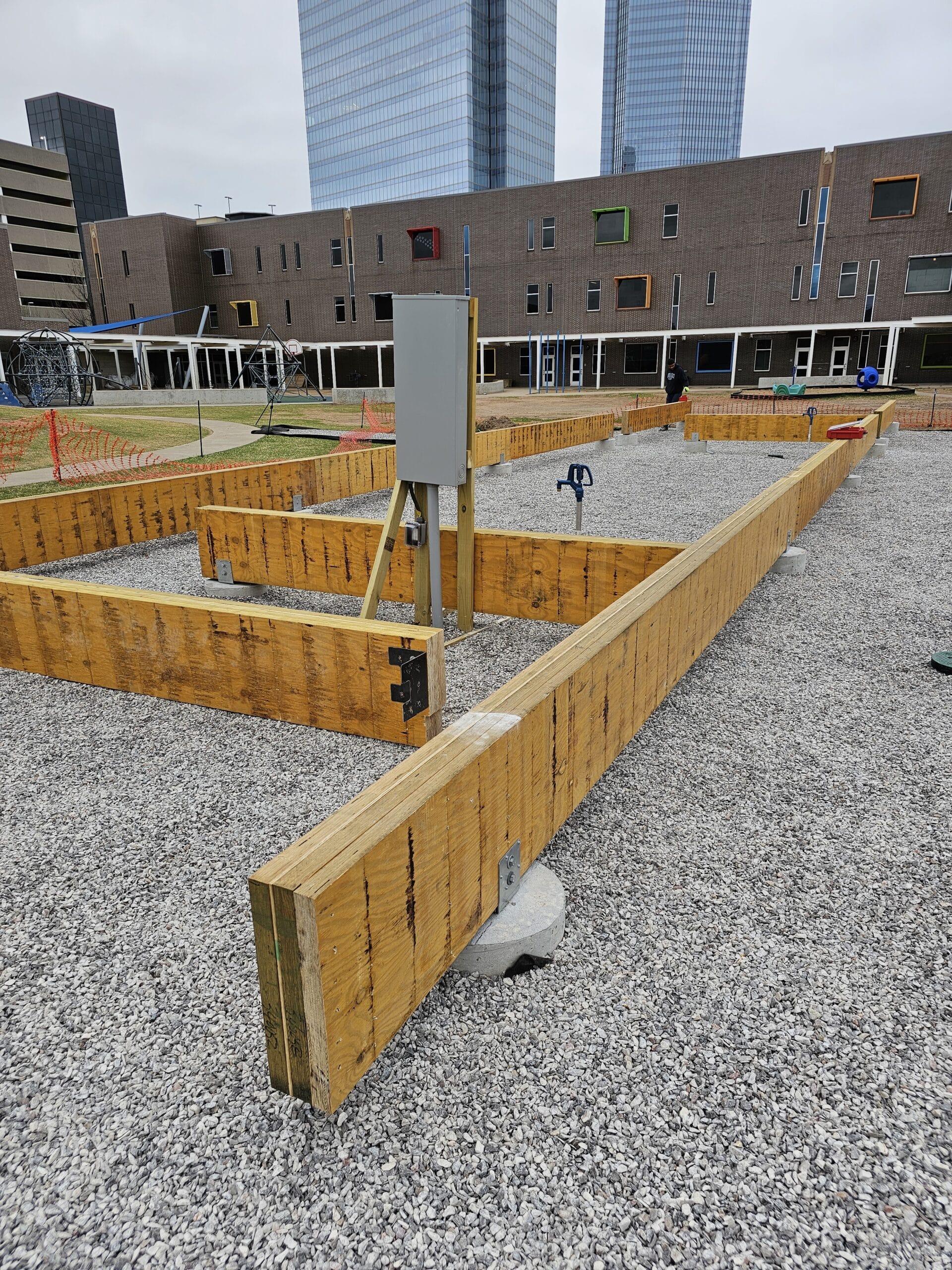
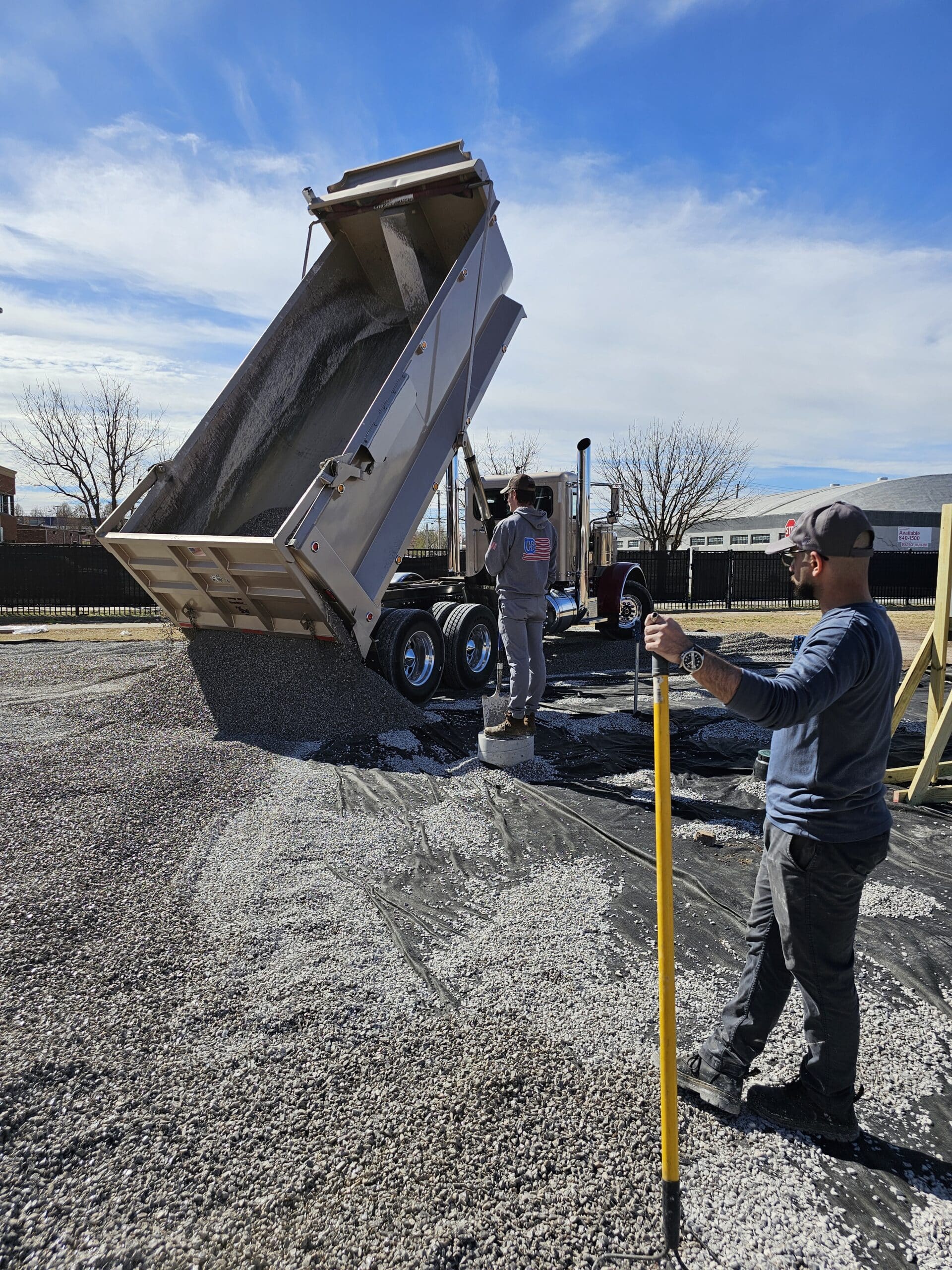
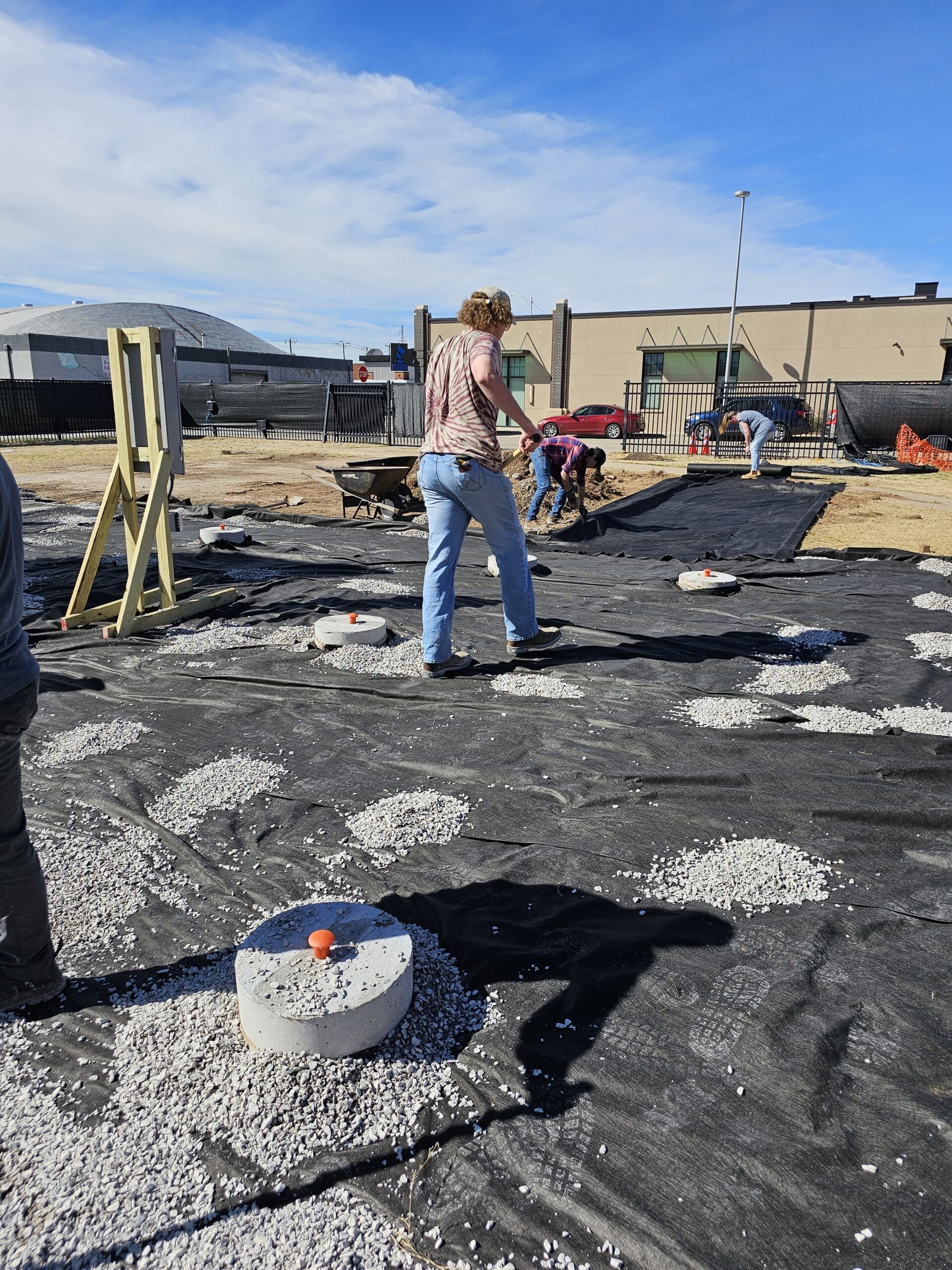
The project site, a previously underutilized corner of the John Rex Charter School property, was transformed into a hub for urban farming. The design-build process involved developing prototypes in the fall and completing fullscale construction in the spring. This iterative approach emphasized teamwork, design refinement, and regular stakeholder engagement.
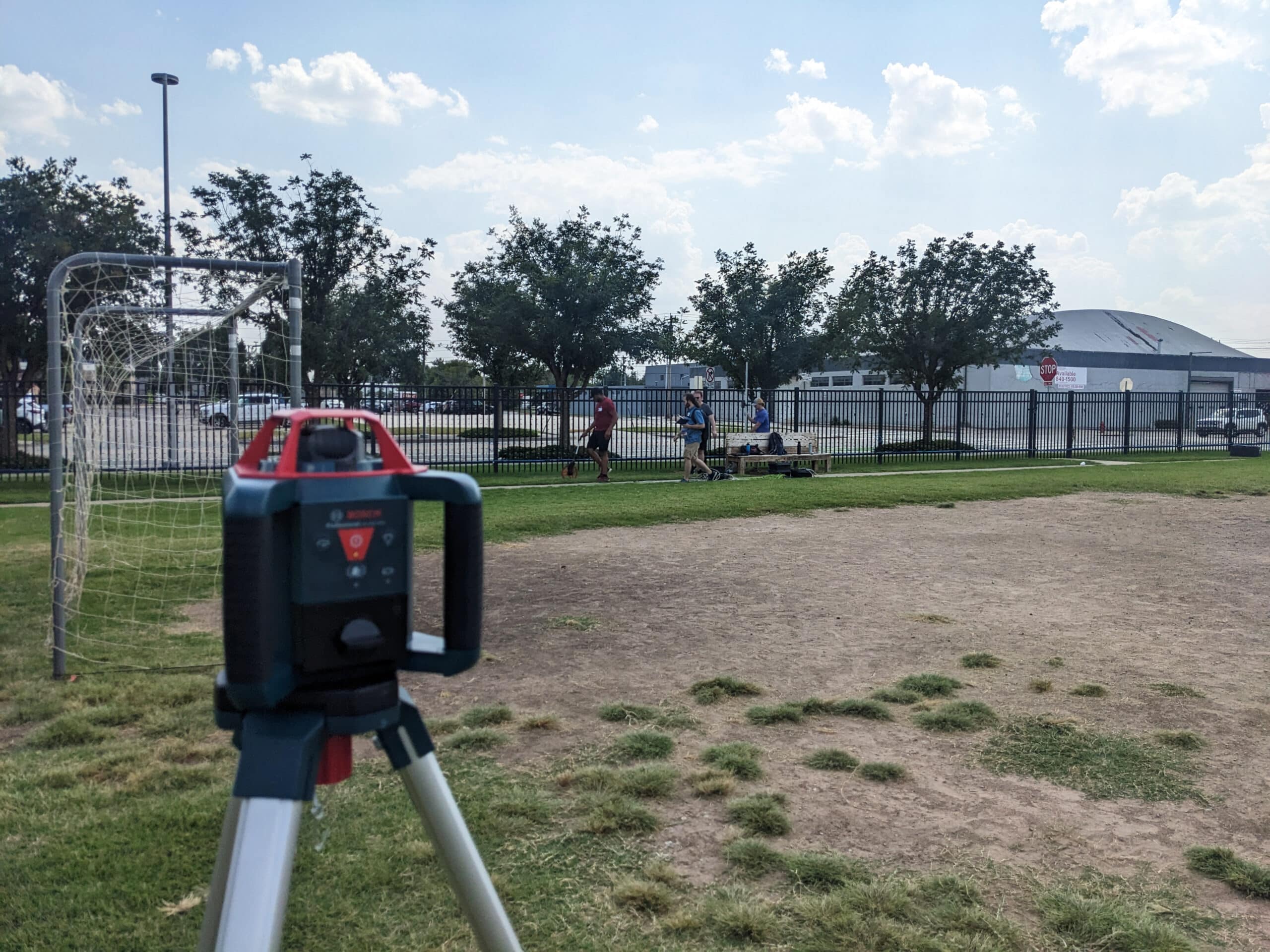
Students conducted a detailed site survey that analyzed topography, vegetation, soil, drainage, and sun patterns. This pre-design phase emphasized environmental responsiveness and systems thinking, ensuring the greenhouse would address urban farming needs, such as water management and passive solar strategies.


Digital Fabrication + Modularity
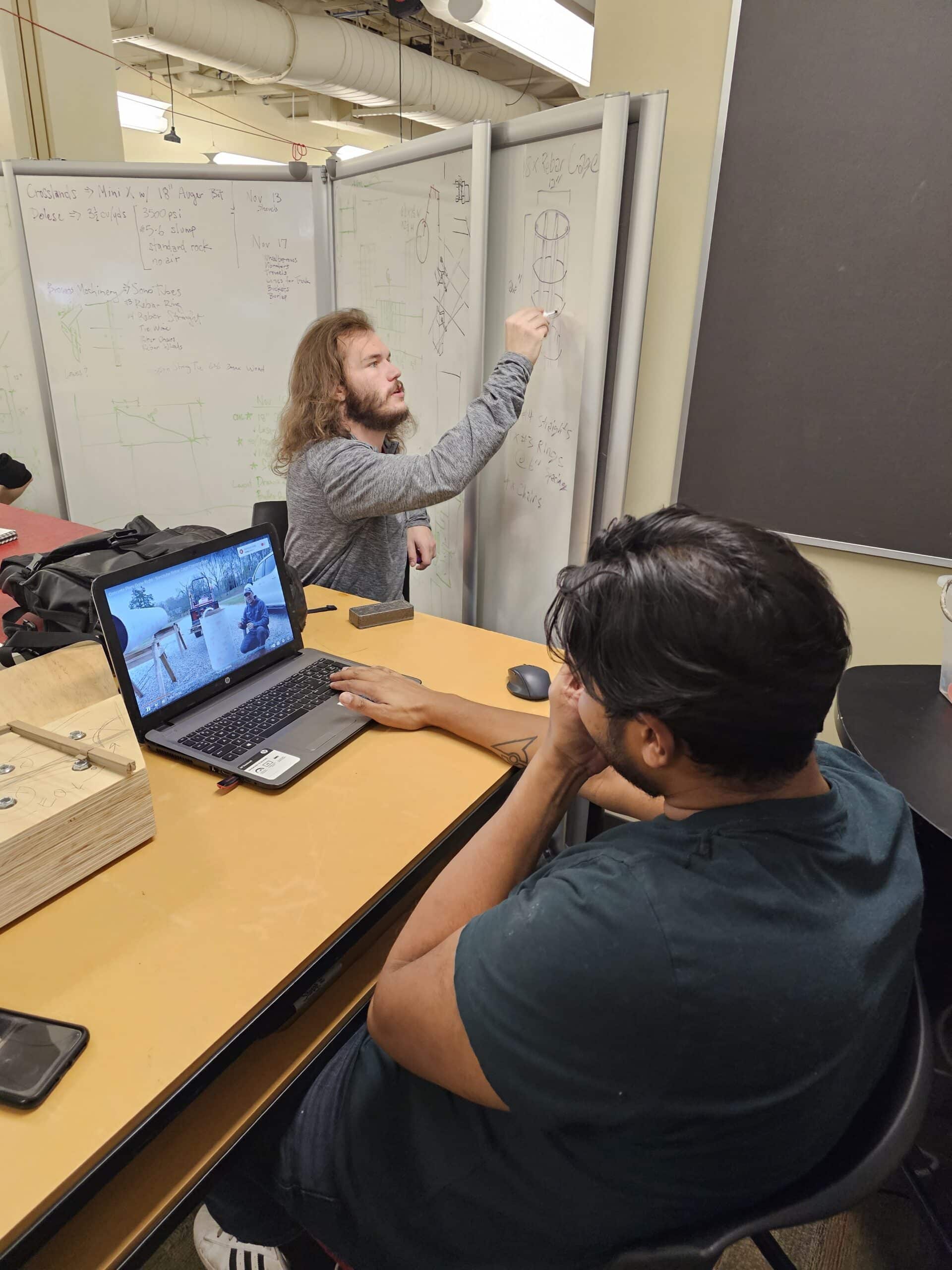
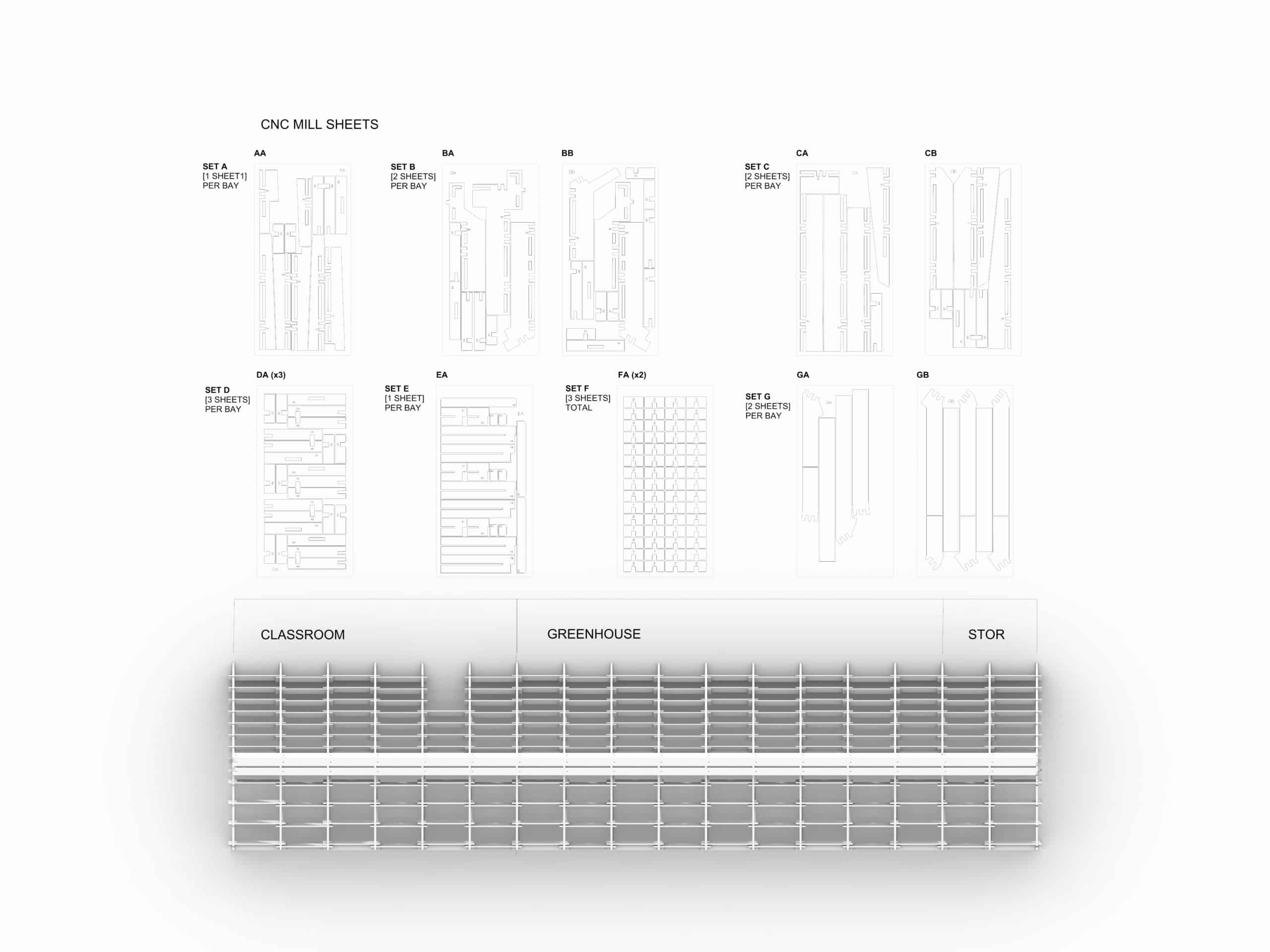
Students utilized digital tools like Rhino, RhinoCAM, Grasshopper, and Revit for design, fabrication, and documentation. Parametric tools enabled exploration of modularity, while Grasshopper and RhinoCAM generated CNC tool paths for plywood and steel fabrication. Using Rhino.Inside.Revit moved Rhino’s parametric models into Revit for construction documentation, linking academic learning to practical application.
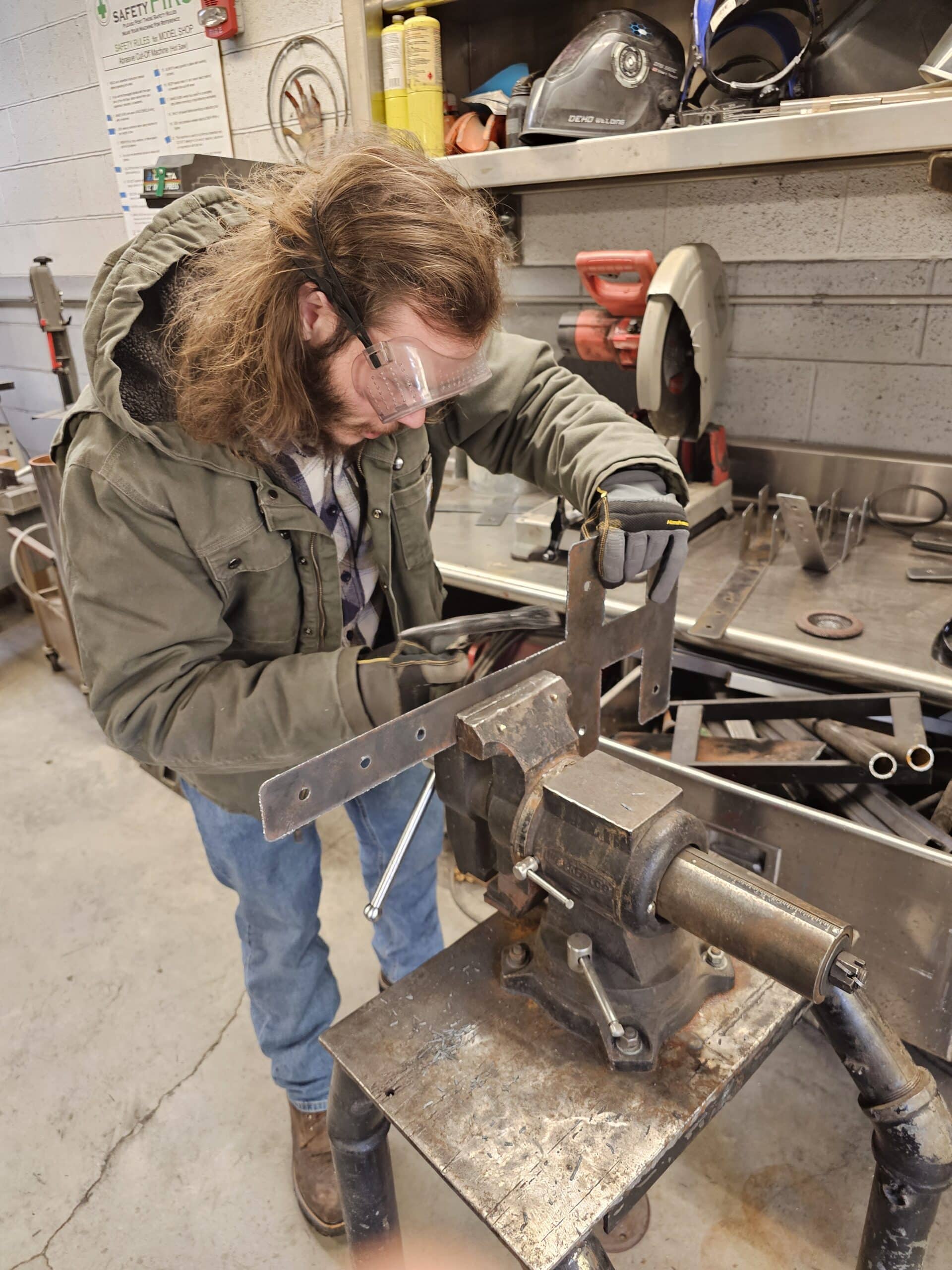
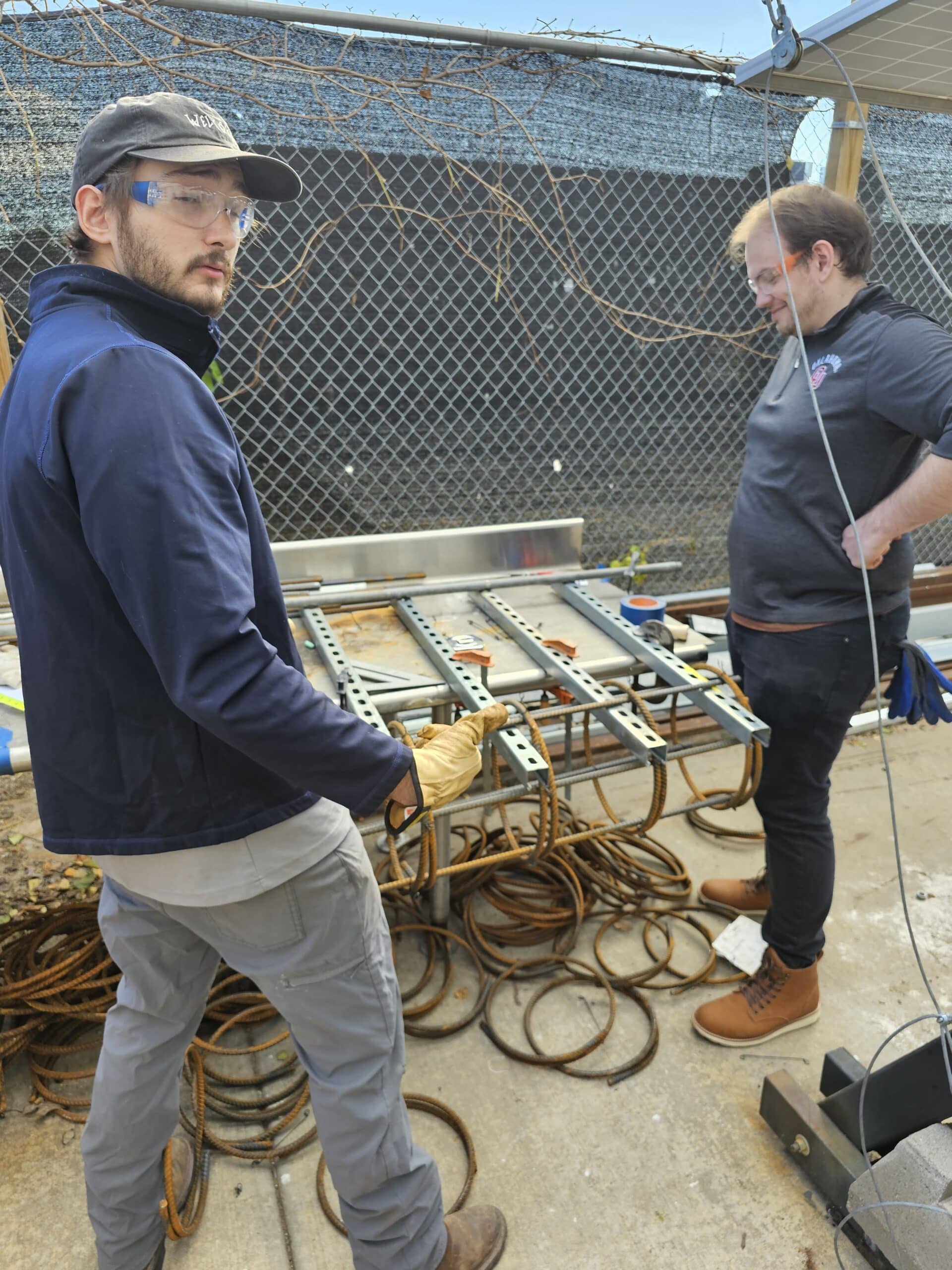
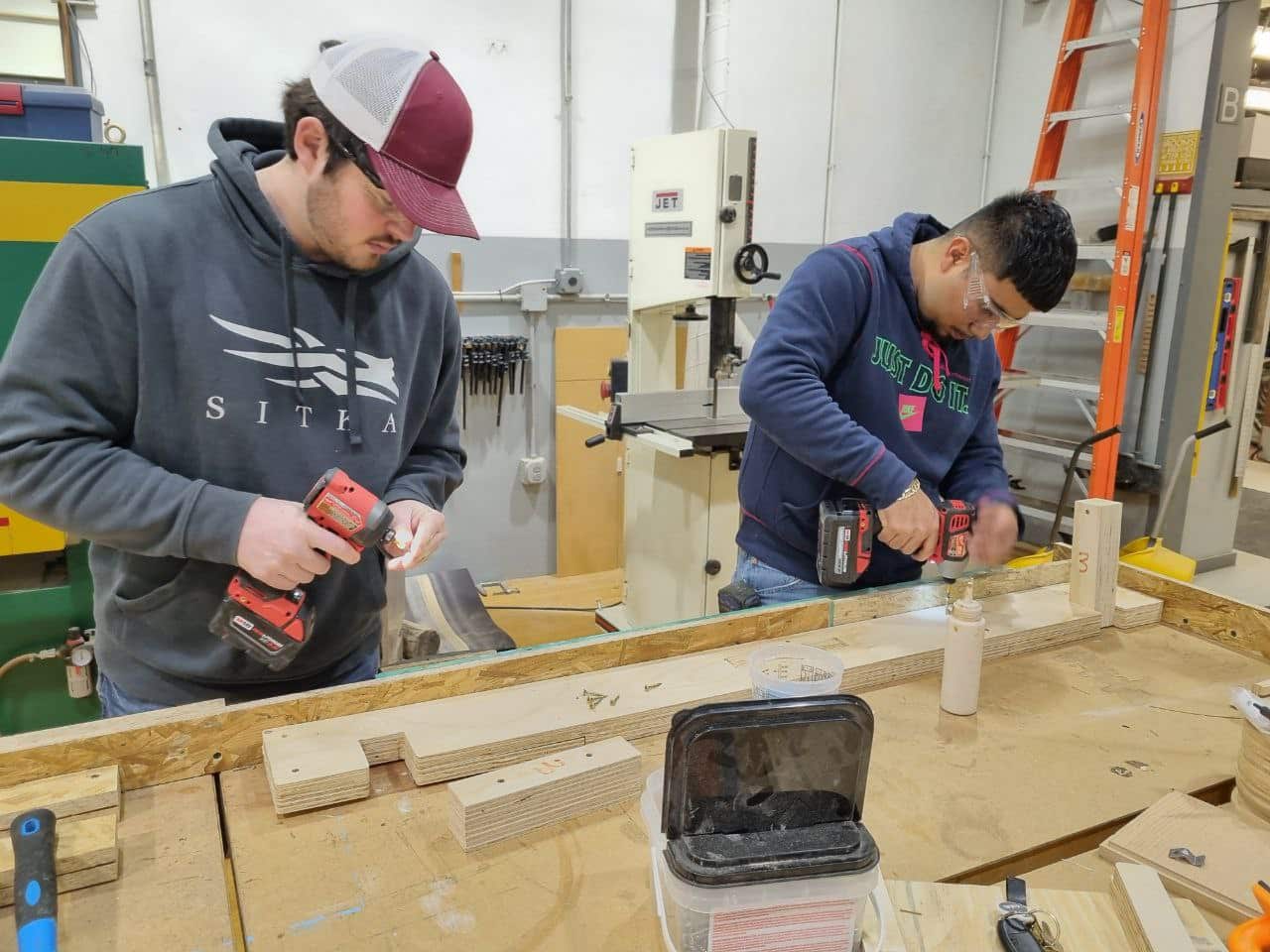
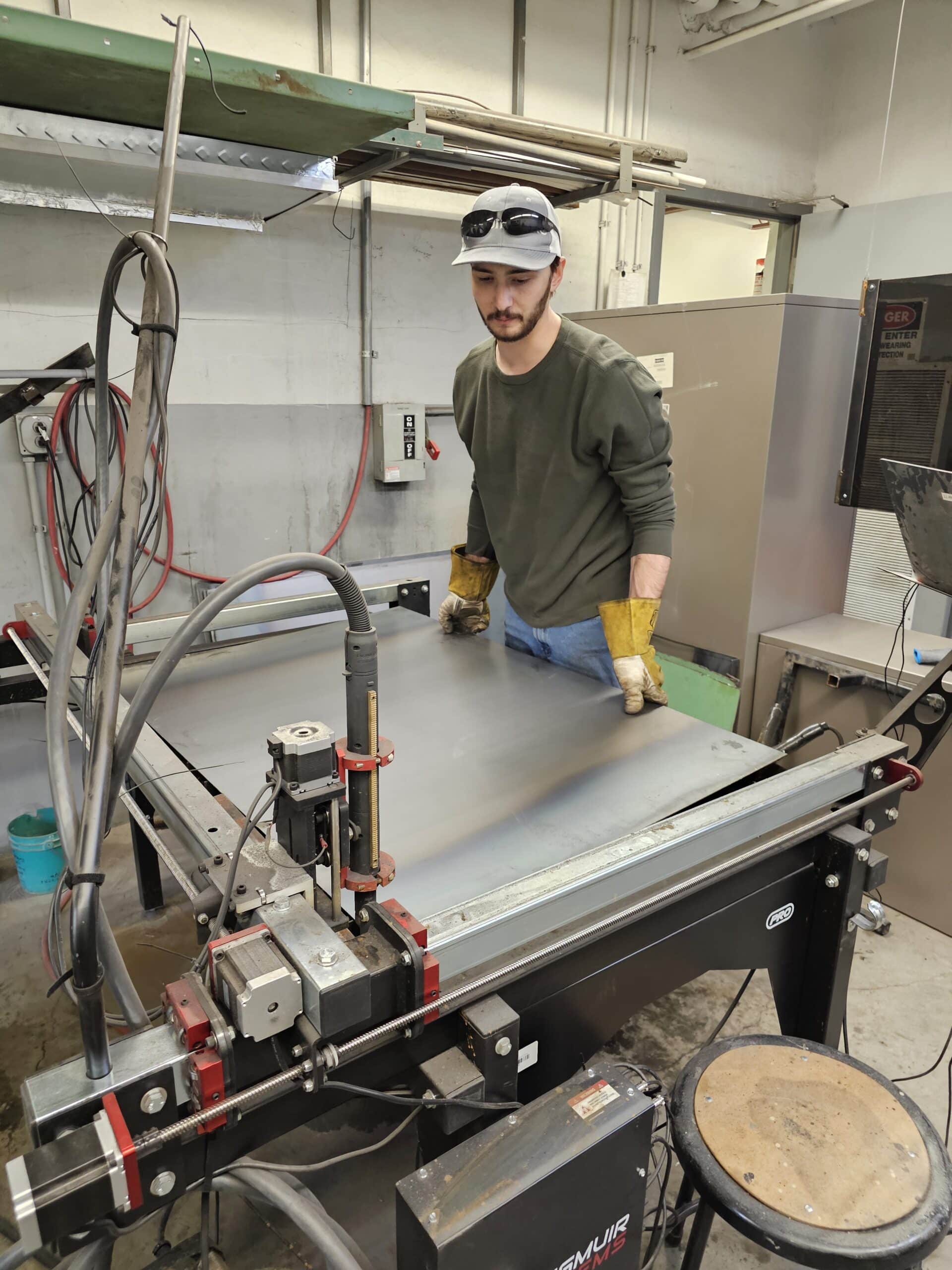
CNC milling and plasma cutting were used to produce modular plywood components and steel connections. By translating digital models into physical assemblies, students optimized material use and reduced waste, directly addressing sustainability goals. The iterative design process reinforced the curriculum by connecting digital methodologies with physical construction, ensuring students achieved measurable outcomes.

Collaborative Problem-Solving Through Tectonic Expression
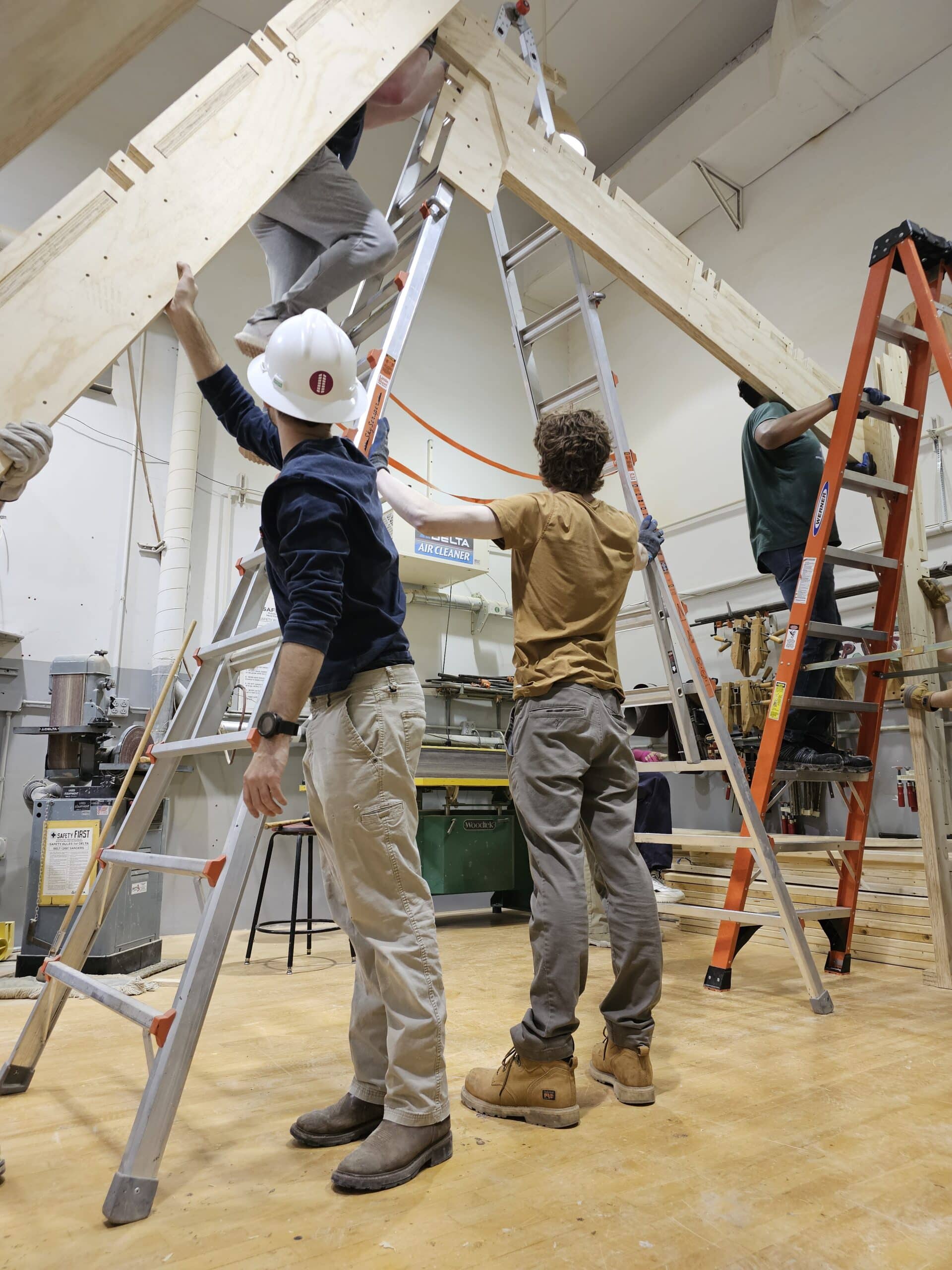
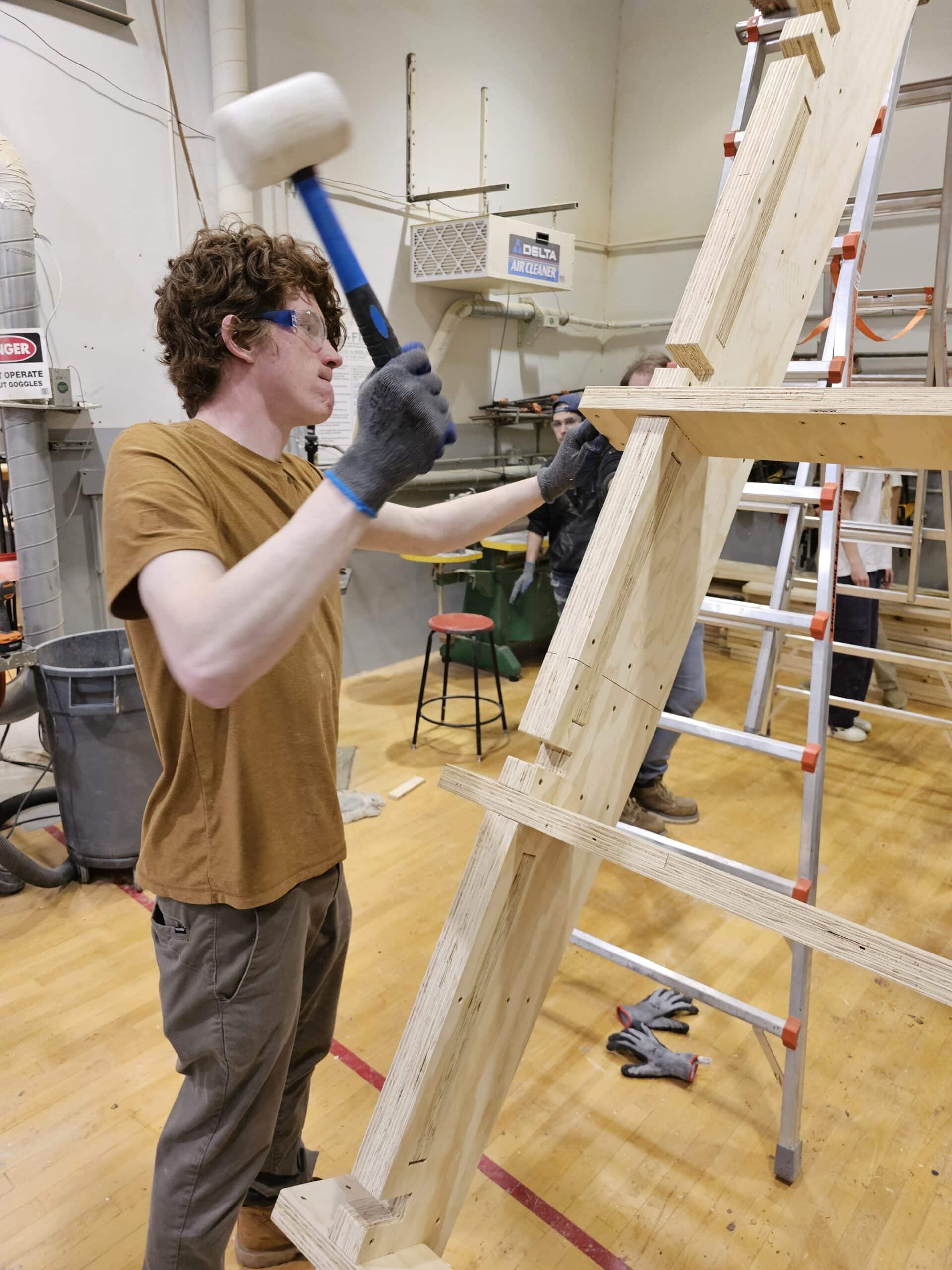
The emphasis on tectonics and joint detailing helped students develop problem-solving skills. By understanding how material interfaces influence structural integrity, students explored interlocking systems and assembly logic. Iterative experimentation improved adaptability and critical thinking, allowing them to respond effectively to design challenges.

Construction Administration + On-Site Management
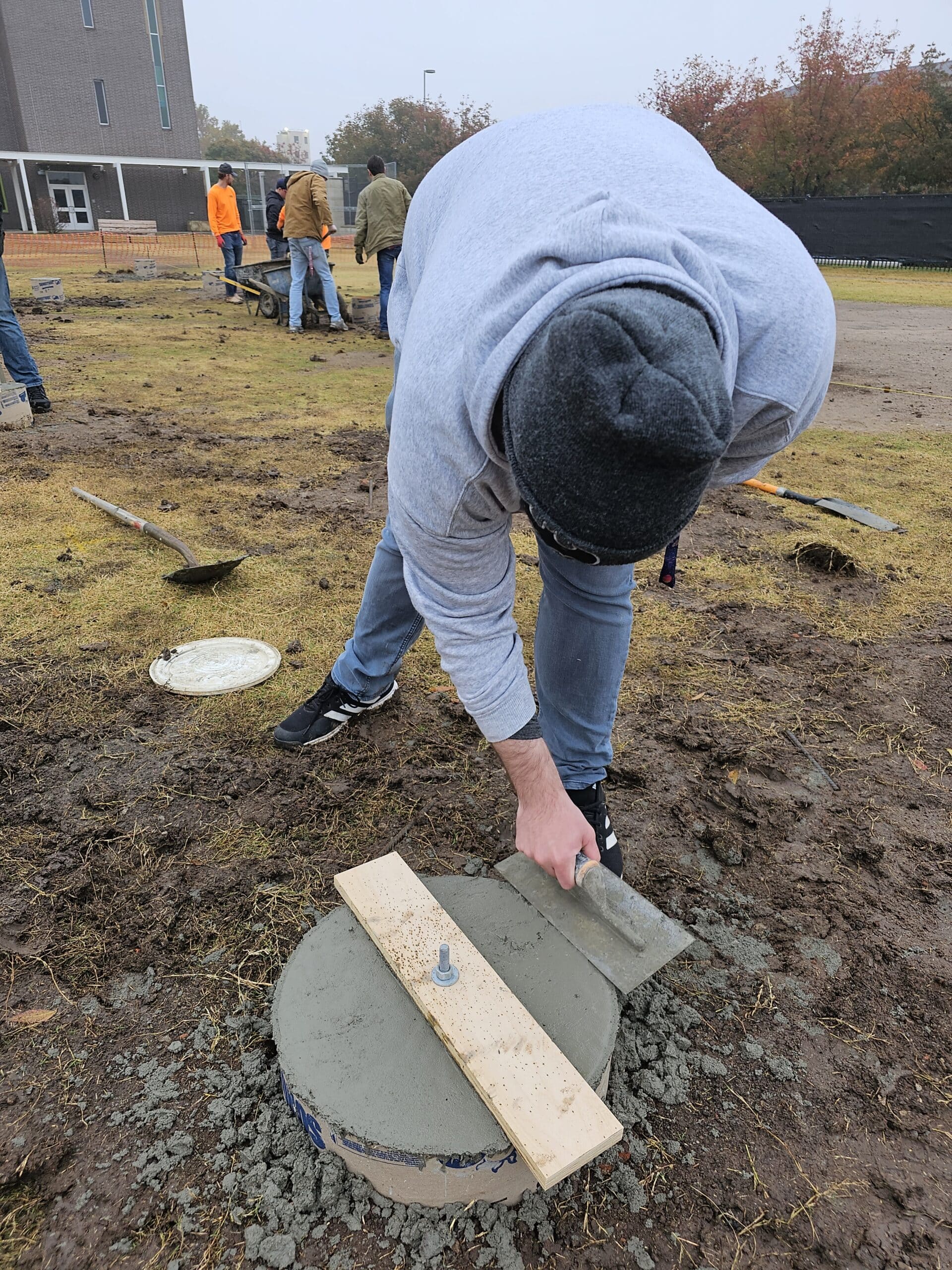
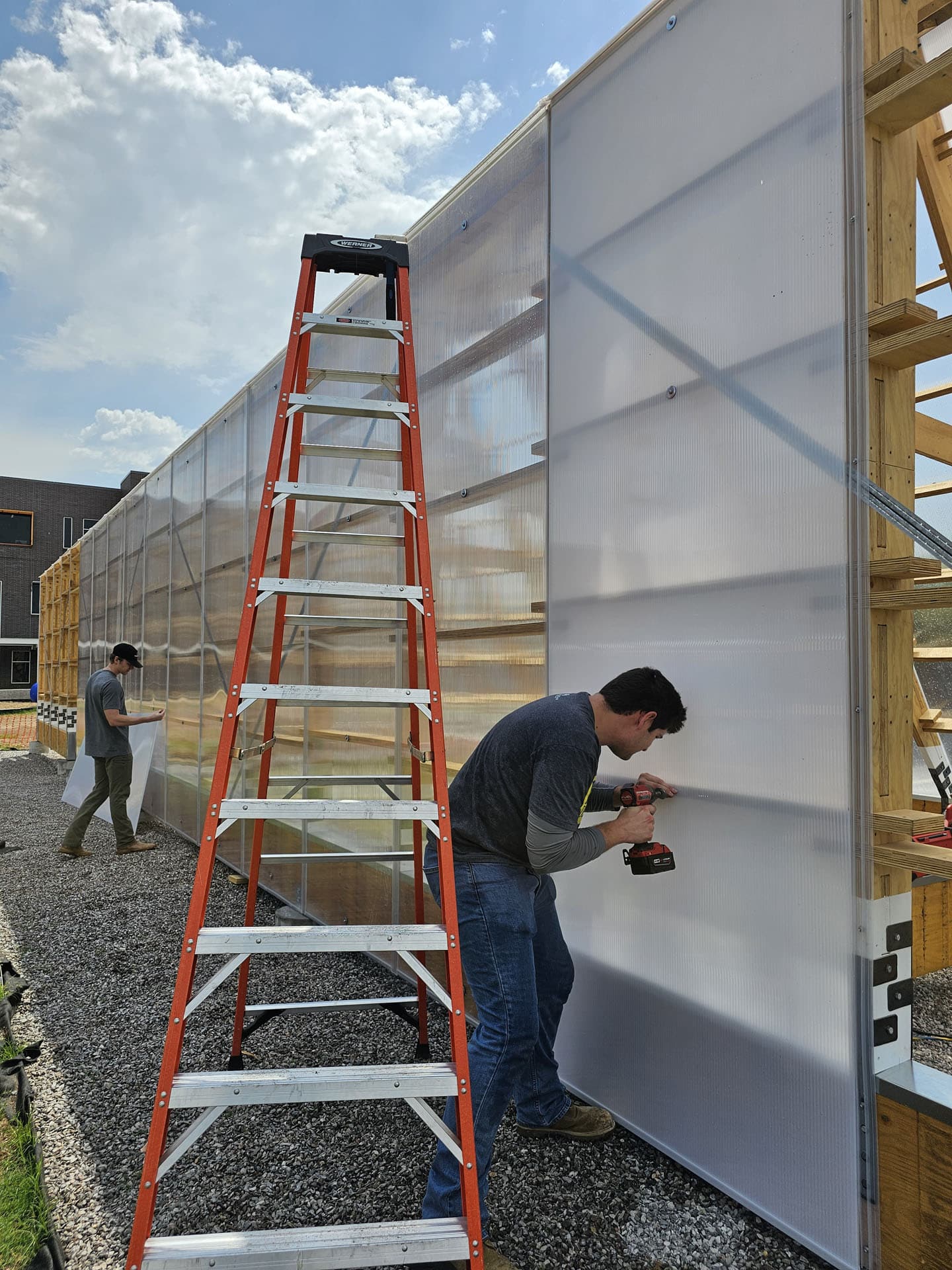
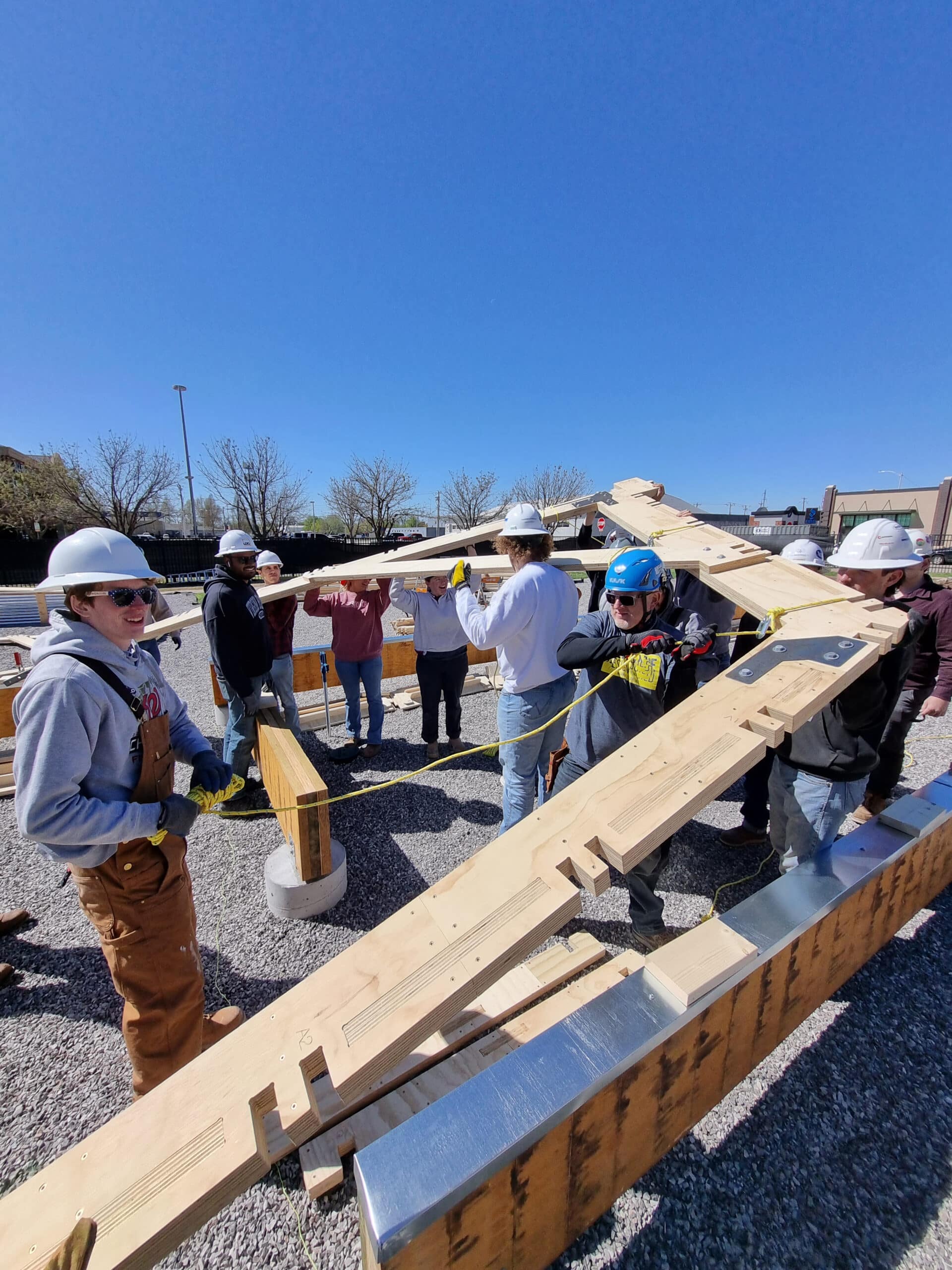
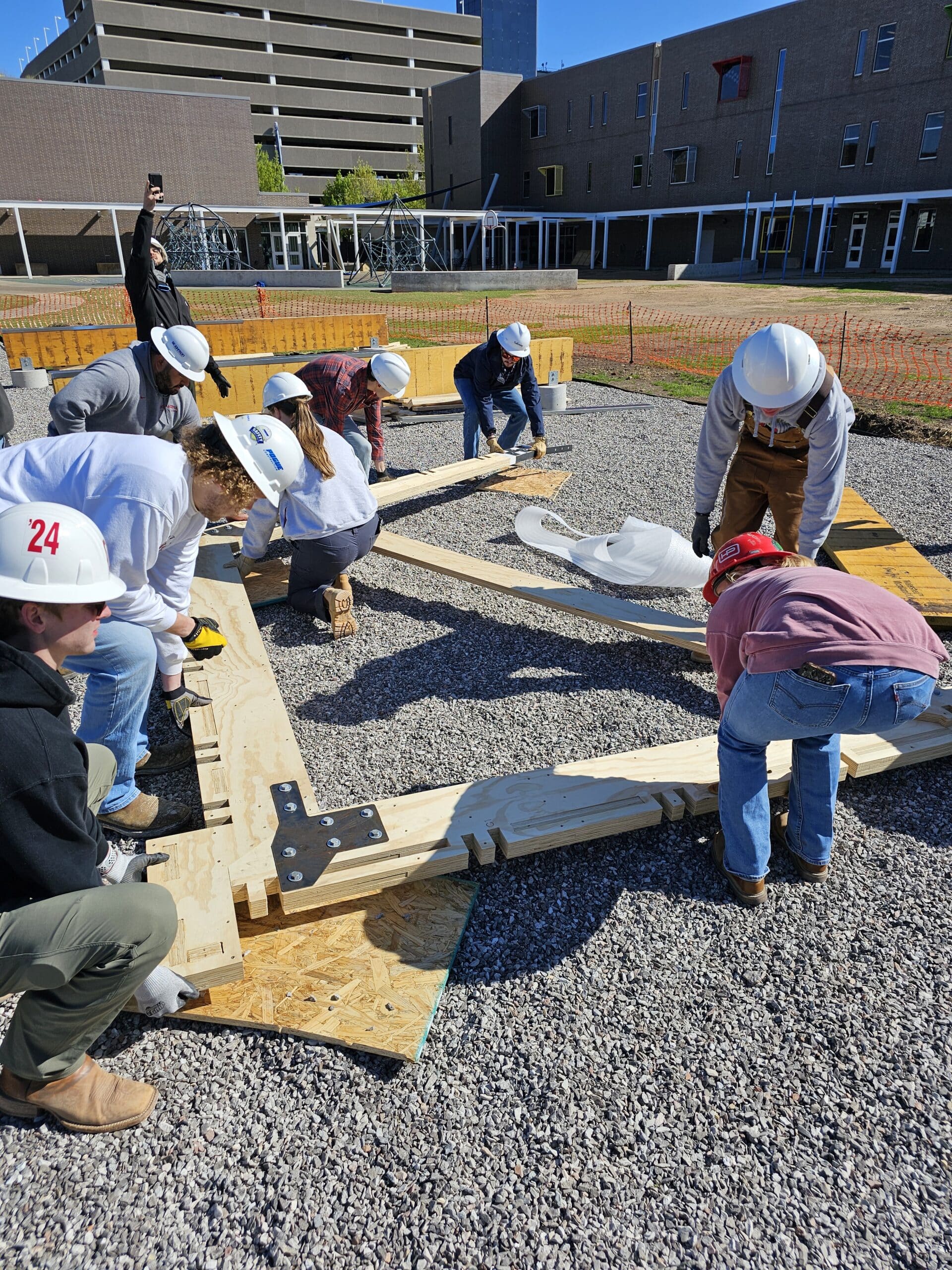
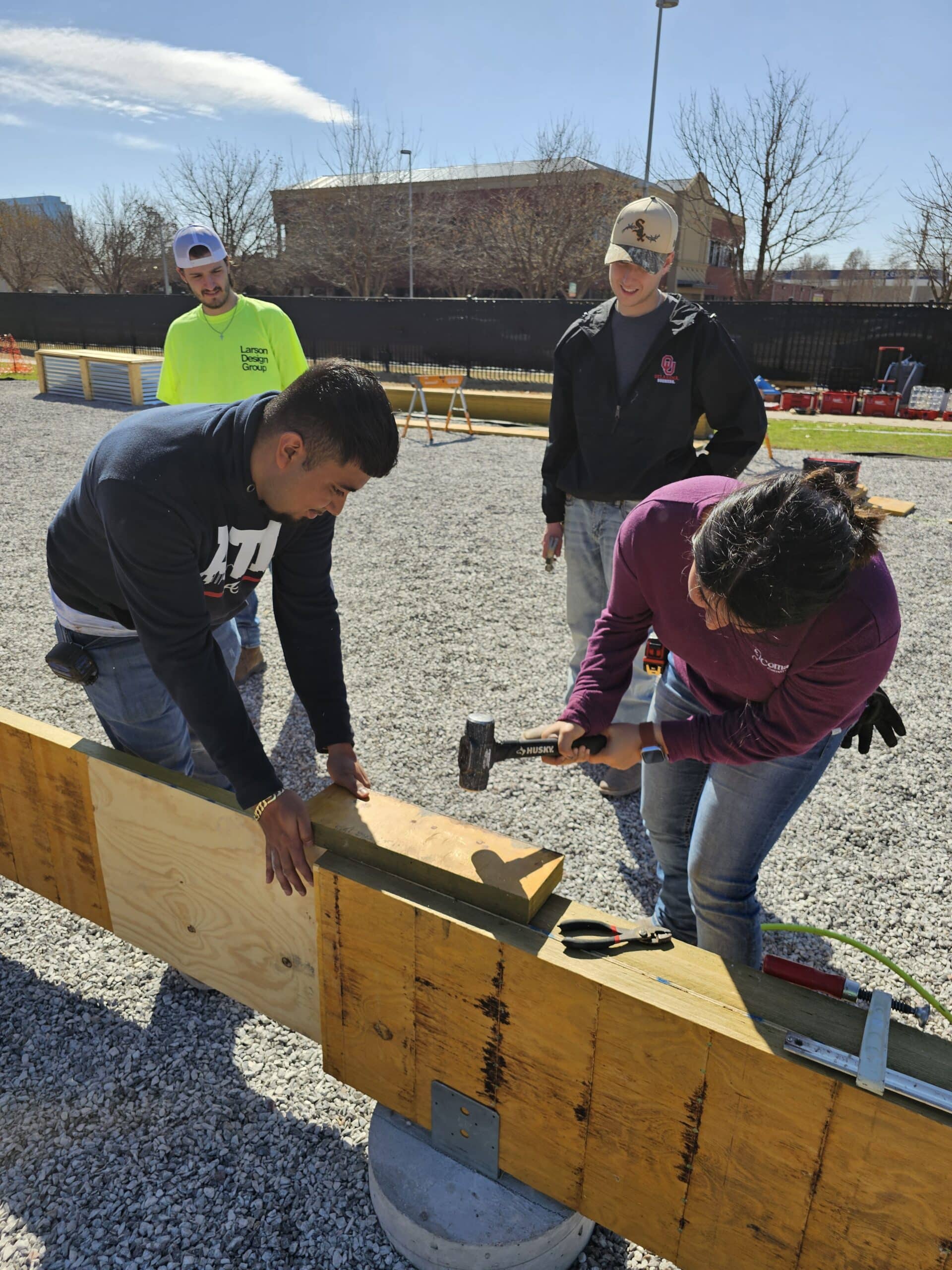
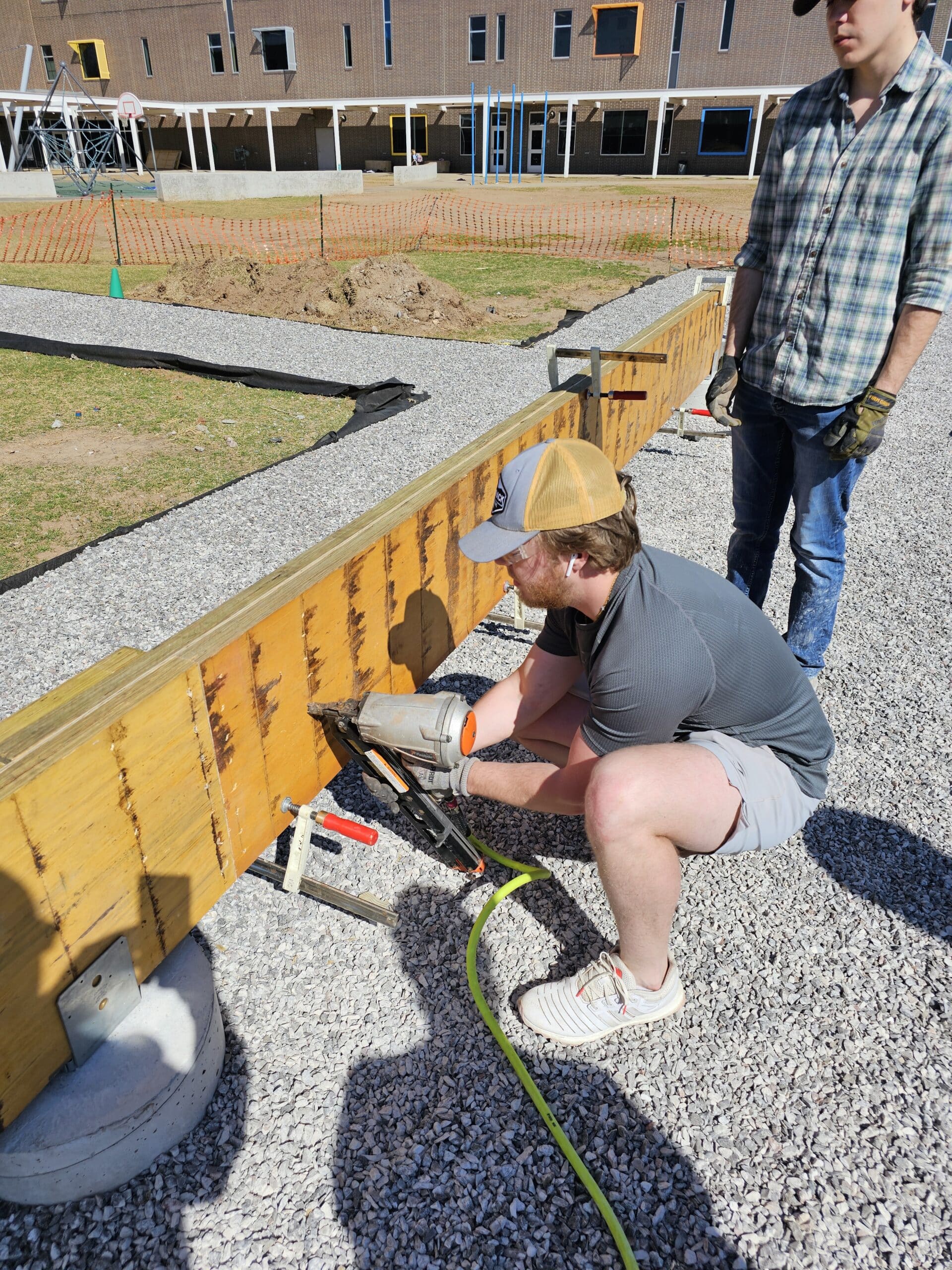
Students took on leadership roles in construction administration, managing tasks such as scheduling, budgeting, and contractor relationships. This active involvement ensured the project stayed within budget and on schedule, meeting school and community goals. The experience bridged classroom learning with site management, reinforcing the connection between design strategies and on-site construction.

Intersection of Design Strategy and On-Site Craft
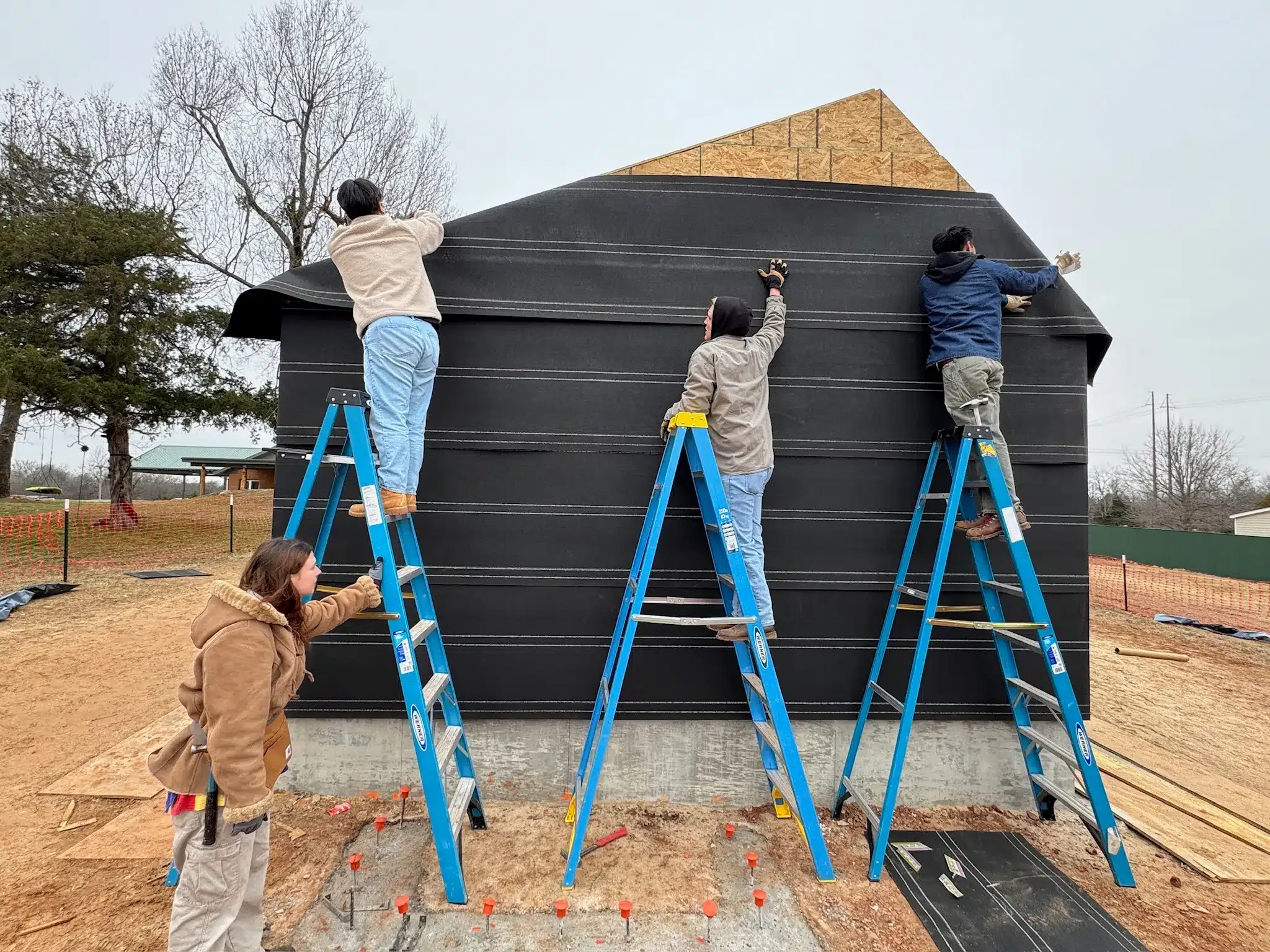
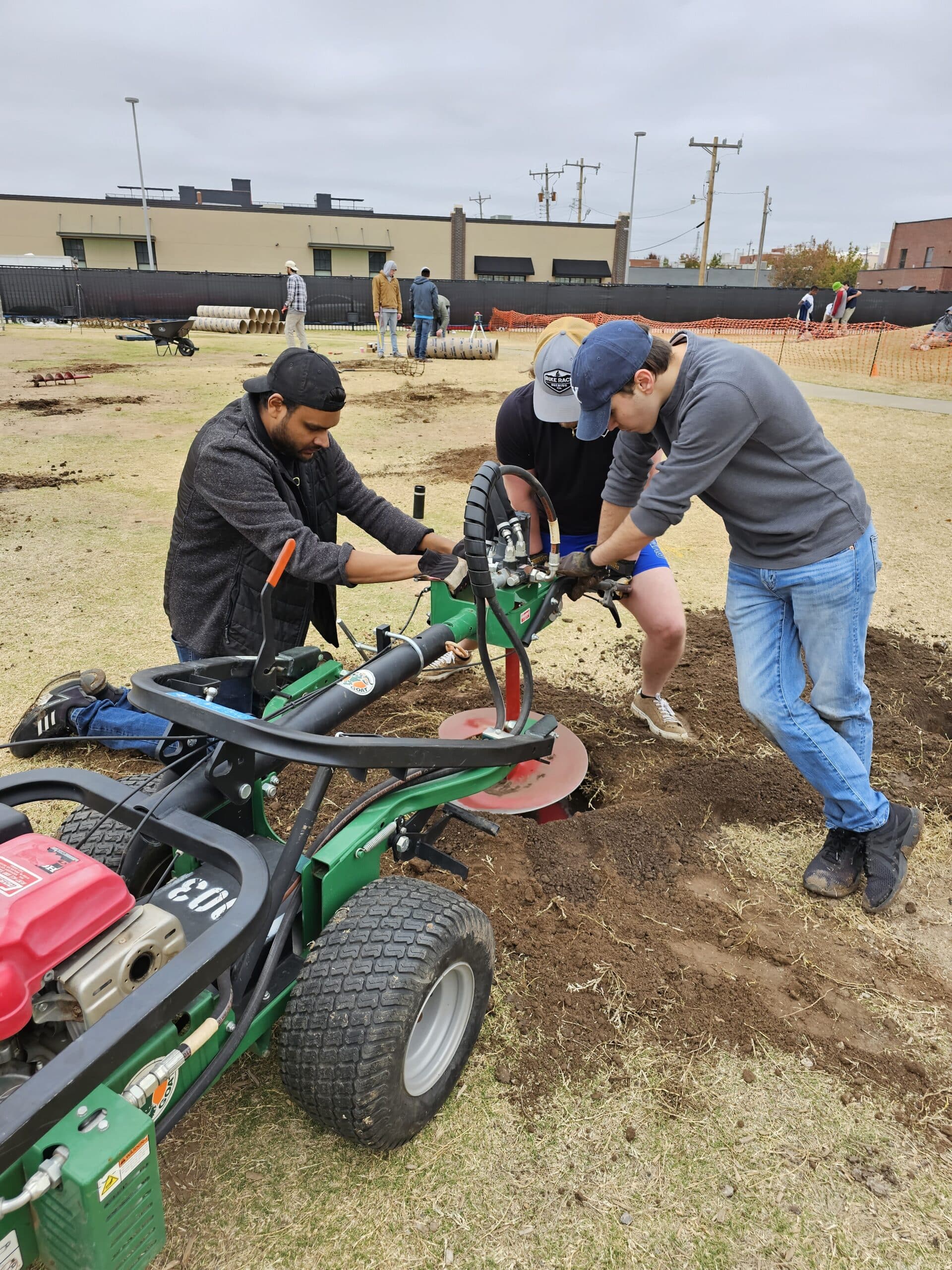
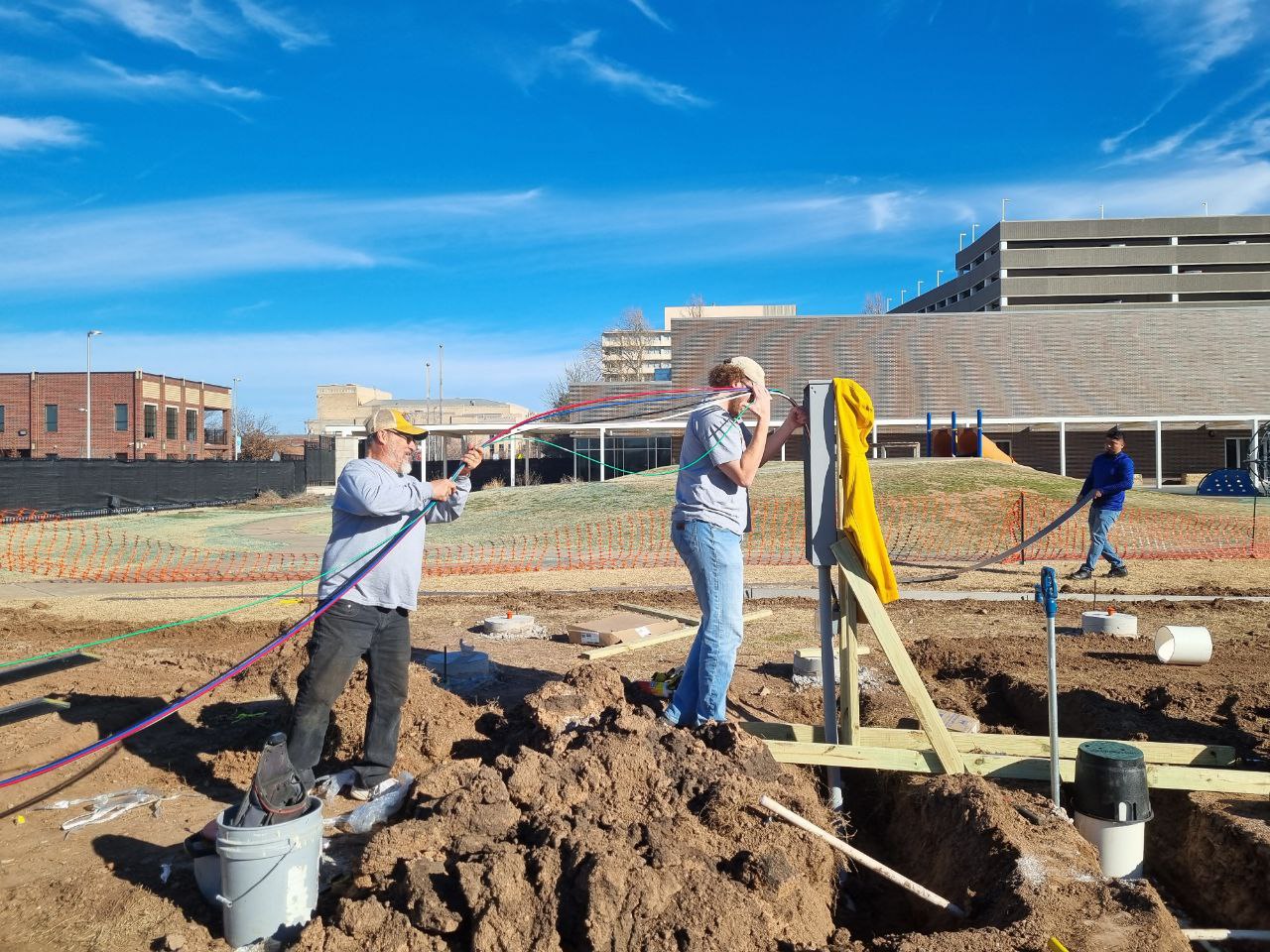
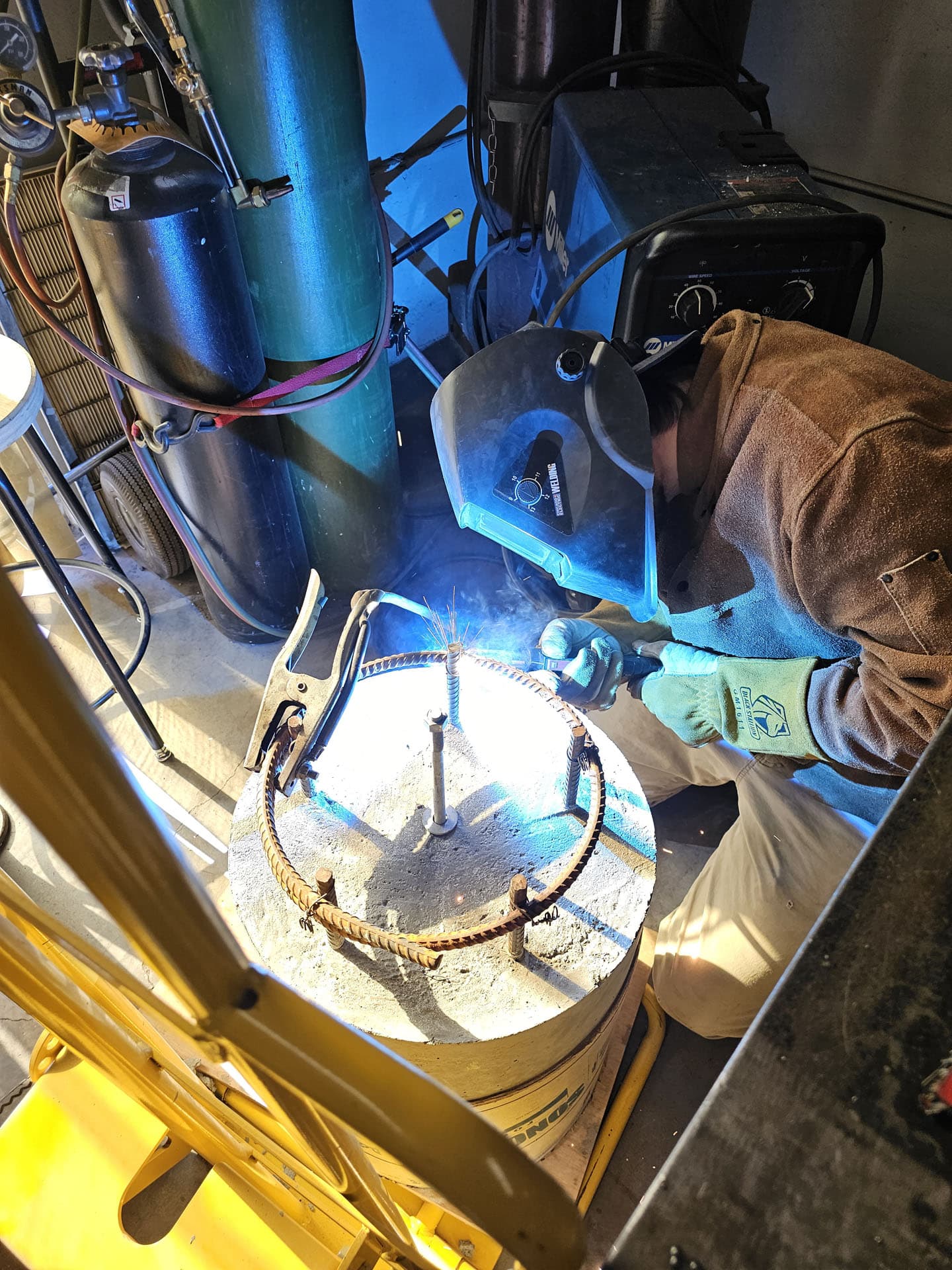
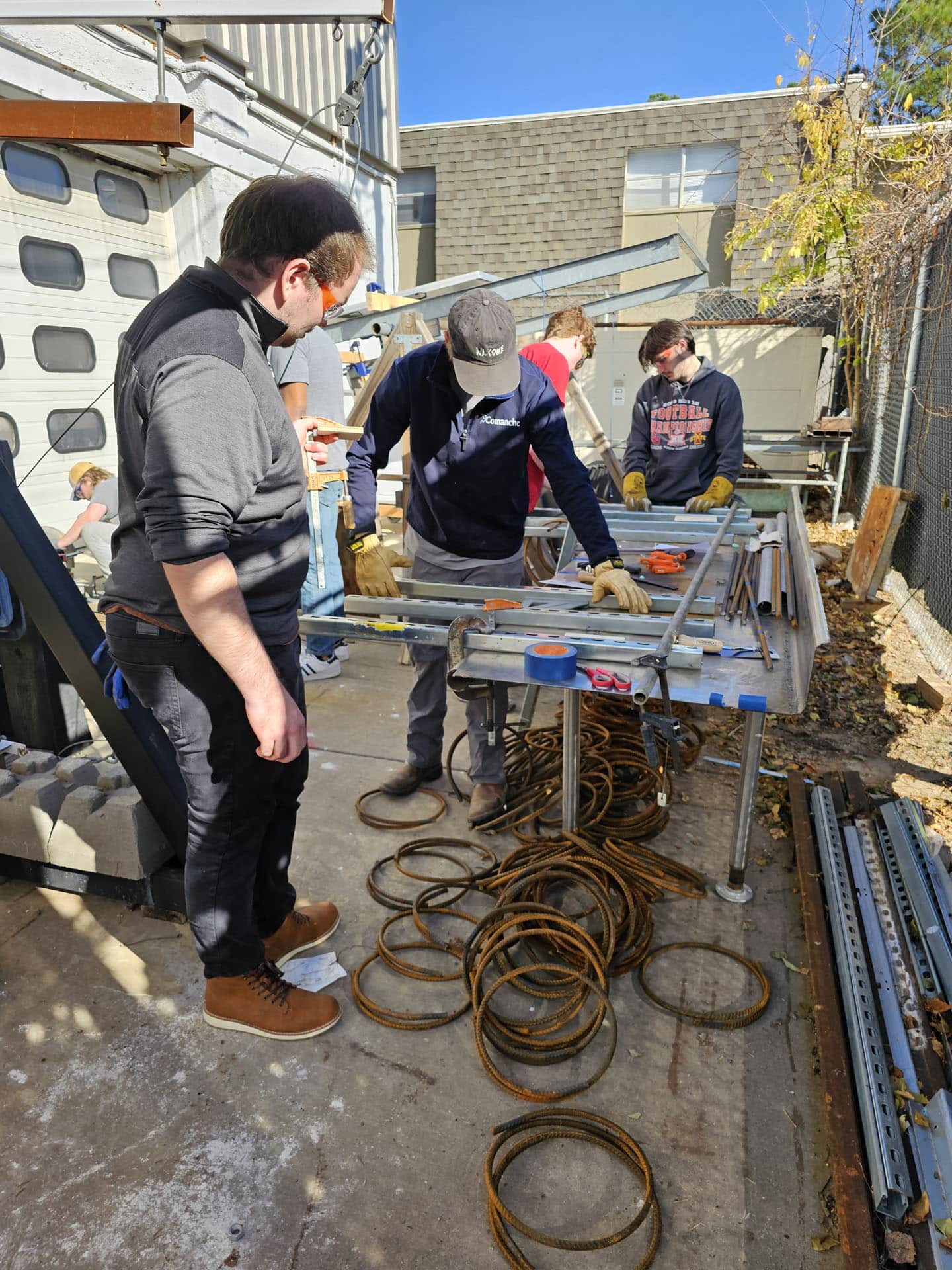
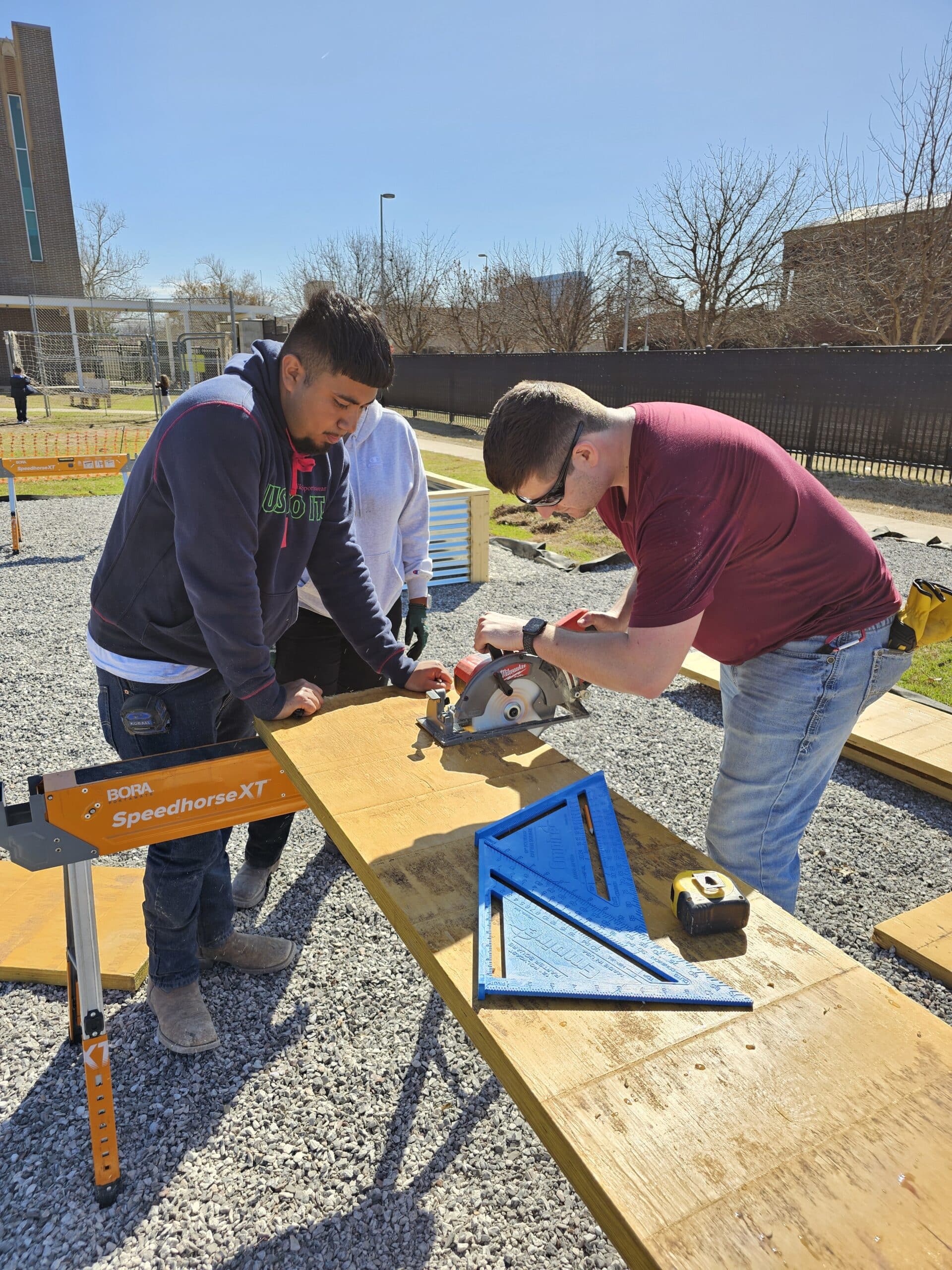
The hands-on construction phase gave students opportunities to apply technical and managerial skills in real-world conditions. They learned to adapt to material constraints and site challenges, ensuring project success. The use of CNC-fabricated components allowed precise control of tolerances, demonstrating the successful application of design and fabrication strategies. Engaging directly with construction enabled students to turn academic knowledge into measurable, real-world outcomes, solidifying the project’s educational impact.


Our Team

Ken Marold

Bryan Bloom

Ashley Ibuado

Audrey Owen
Cesar Arellano

Cole Newport
Diego Trevino

Emily Finis
Ethan Watson

Henry Shaver

Jackson Bruesch
Jake Louthan
Jordan Mullican
Kade Berryman
Kalen McCarthy

Krys Ramdass
Lee Broughton

Matt Mullin
Ramtin MSadeghi
Rebecca Spann

Ryan Bogie
Tony Lemcke
Tray Nelson

Zach Van Laere
Zane Reeves