
American School Design Build: Launching 2025/26 Project with WildCare

August 18, 2025

The American School Design Build [ASDB] studio at the University of Oklahoma Gibbs College of Architecture is proud to launch its 2025–26 project: the design and construction of a Bat and Chimney Swift Rehabilitation Facility in partnership with WildCare Oklahoma.

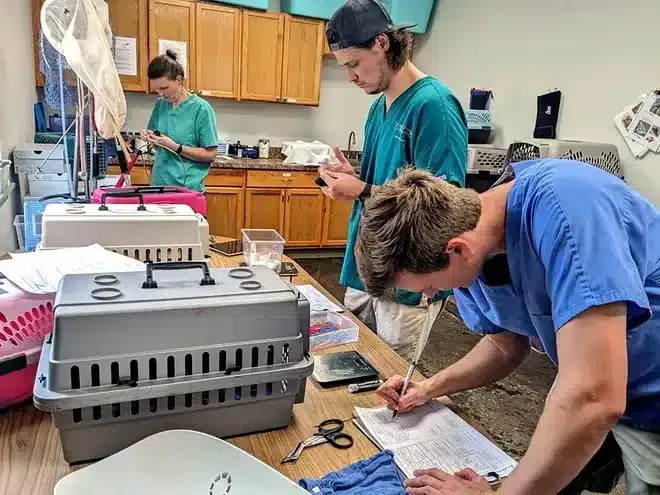
WildCare, based in Noble, rescues, rehabilitates, and releases thousands of injured and orphaned animals each year. Their work is essential to preserving Oklahoma’s natural ecosystems and fostering public awareness of wildlife conservation. This new facility expands their capacity to care for bats and chimney swifts—two species vital to the health of Oklahoma’s environment but increasingly under threat from habitat loss, disease, and modern construction practices.

By collaborating with WildCare, ASDB students have an opportunity to apply their skills to a project that directly benefits both local communities and the broader ecological landscape, reinforcing the belief that architecture and construction should serve more than functional needs—they should advance community well-being and environmental stewardship.
About WildCare Oklahoma

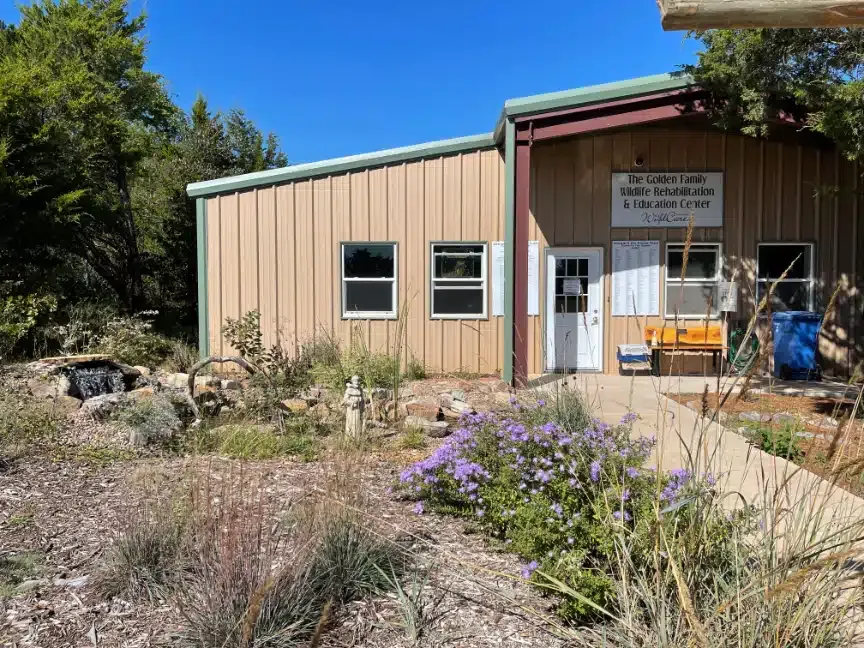
WildCare Oklahoma, based in Noble, is one of the state’s leading nonprofit wildlife rehabilitation organizations. Each year, WildCare provides medical treatment, safe enclosures, and expert care for thousands of injured and orphaned animals. Their mission extends beyond rescue and rehabilitation: WildCare works to educate the public about wildlife coexistence and to promote stewardship of Oklahoma’s ecosystems. With the support of staff, veterinarians, and volunteers, the organization helps preserve biodiversity while strengthening connections between communities and the natural world.

Learn more at www.wildcareoklahoma.org.

Project Partners

Our studio empowers students to design and build in a dynamic team environment that directly serves both community and environment.

Why Bats and Chimney Swifts Matter

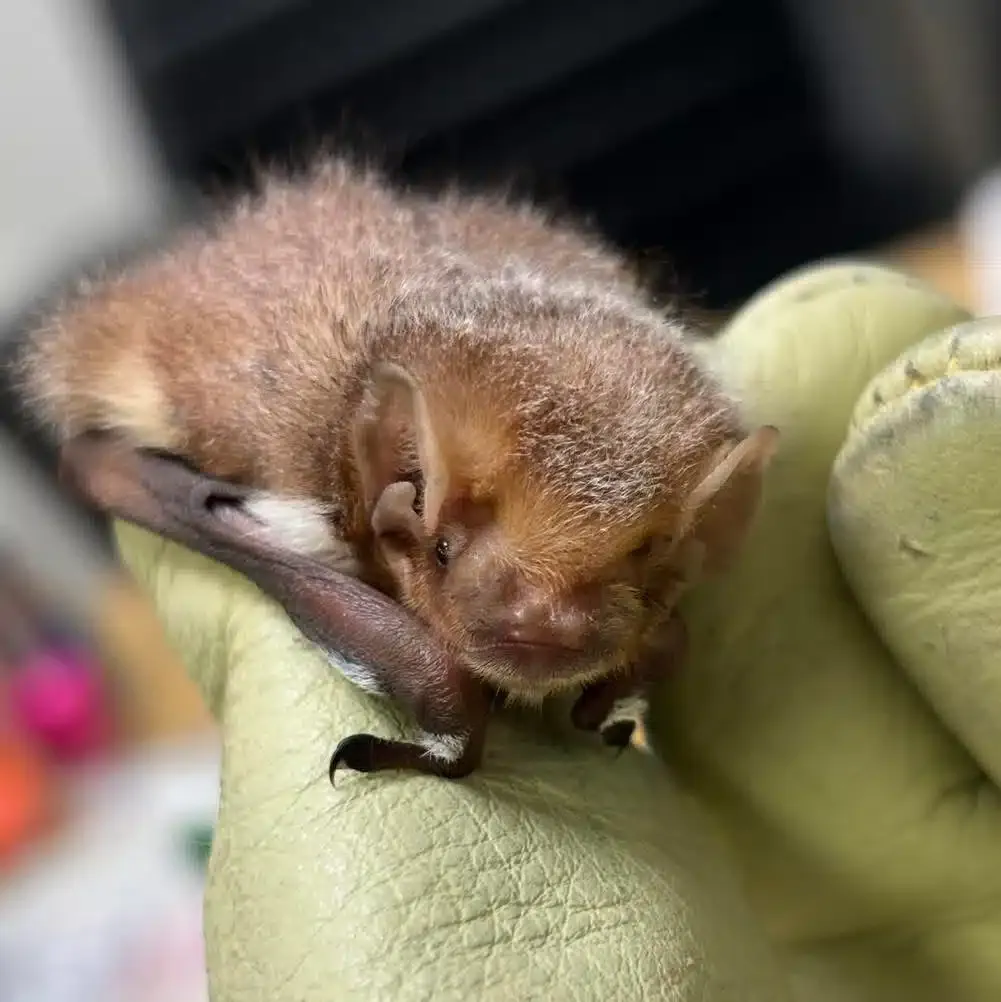
Bats play a critical role in maintaining ecological balance. More than 20 species are found in Oklahoma, with many consuming thousands of insects each night, protecting crops and reducing the spread of disease-carrying pests. However, these species face mounting challenges from white-nose syndrome, urban encroachment, and loss of roosting habitats.

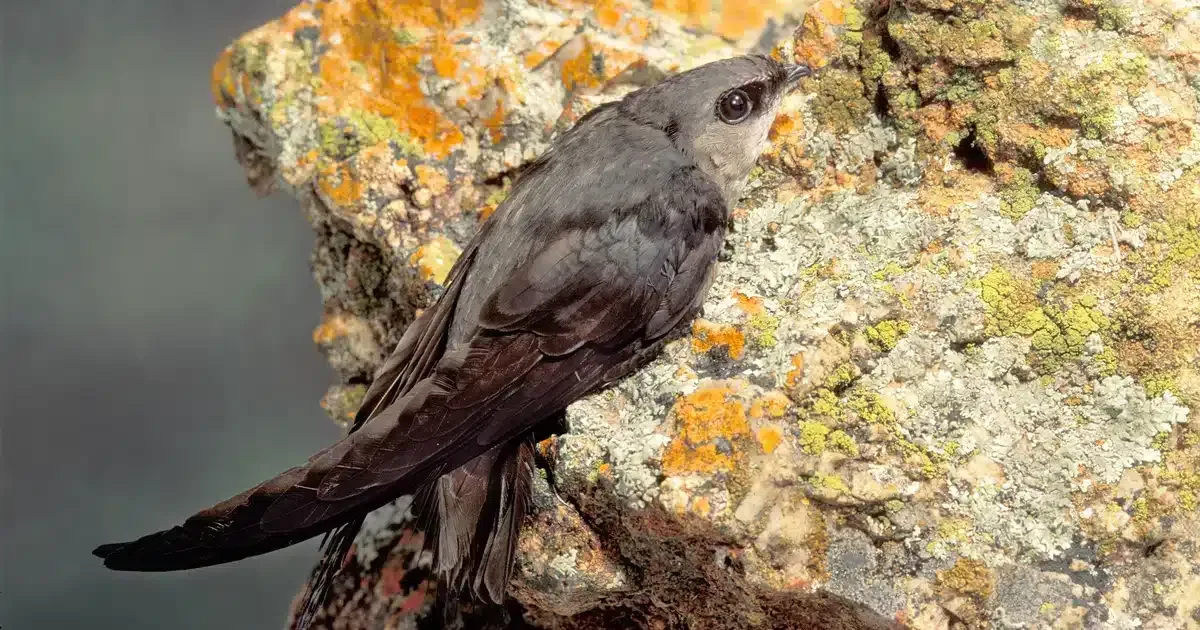
Chimney swifts are known for their constant flight, they feed on mosquitoes and other small insects, helping regulate pest populations. Once reliant on hollow trees for nesting, they adapted to chimneys and man-made structures. But with modern building practices that reduce or cap chimneys, swift populations are rapidly declining.

The new facility will allow WildCare to provide safe rehabilitation spaces and release strategies for these species. It also gives ASDB students a chance to design a building that demonstrates how thoughtful architecture and construction can contribute to ecological solutions.
Architecture and Construction Science: One Team, One Studio

Education and professional practice are fully integrated in our studio. Students in both Architecture and Construction Science work together as one professional design-build team, mirroring the way projects are delivered in the real world.

Architecture students bring skills in conceptual design, visualization, material research, and detailing. They explore the creative and technical aspects of how the building will look, perform, and interact with its environment. Construction Science students contribute expertise in site logistics, sequencing, safety, and project management, ensuring that design ideas are carried through in a safe, efficient, and buildable way.

Together, they make coordinated decisions, solve problems collaboratively, and assume shared responsibility for design intent and construction execution. The result is a project that balances vision and pragmatism, producing a building that is inspiring, functional, and durable.

This interdisciplinary model also provides clear benefits for students. They gain firsthand experience in collaborating across disciplines, learning how to communicate effectively and respect the priorities of both design and construction. They develop stronger problem-solving skills by facing challenges that demand both creative ideas and technical solutions. They also gain practical experience in budgeting, scheduling, and coordination, understanding how choices affect every stage of project delivery. Most importantly, they graduate with the ability to manage the complete lifecycle of a project—from concept to construction—making them better prepared for professional careers.

Architecture and Construction Science students work together as one professional design-build team.


From Studio to Site: Construction in Action

In the early part of the fall semester, students organize into professional-style teams, each responsible for advancing a different aspect of the project. While the responsibilities are distinct, the strength of the studio lies in the way these groups cross-collaborate, constantly weaving their efforts together so that design and construction move forward in harmony.

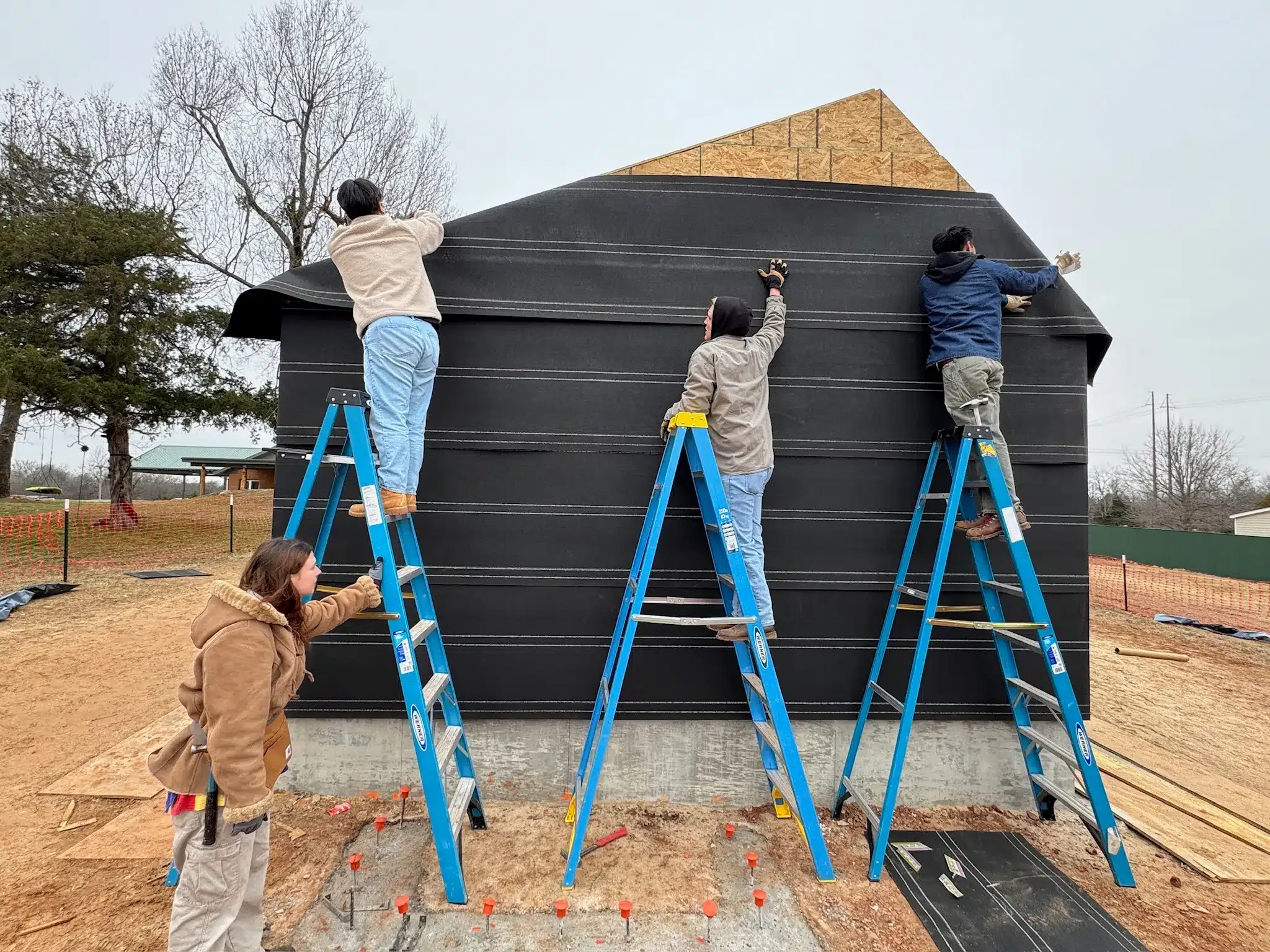
By the middle of the fall semester, the project moves from design into active construction on-site, marking the point where ideas become reality. This shift allows students to exchange sketches and models for materials and tools, taking responsibility for each stage of the building process.

As work moves from studio to site, the project progresses through its essential phases. Students establish the foundation, raise the structure, and develop the skin that protects and defines the facility. Along the way, the systems that support its function are carefully integrated.

The process concludes with a focus on craft and detail, where design intent and construction execution come together. At this stage, students refine the building through finish carpentry and careful assembly, ensuring the completed facility reflects both durability and design vision.

This process is handled entirely by students, led by studio faculty, blending design vision with construction craft. By taking responsibility for the full sequence of work, they gain invaluable experience in how buildings come together step by step.

From design to site preparation and through finish carpentry, students take on every stage of the project with a focus on detail and craftsmanship.

2024/25 SunHive Collective Project, Pouring the Foundation Footing

2024/25 SunHive Collective Project, Revising a Detail in the Field


Beyond a Building

The Bat and Chimney Swift Rehabilitation Facility represents more than just another construction project. It embodies ASDB’s mission to merge education, ecological stewardship, and community service into one integrated practice. Students learn not only how to design and build but also how their work can address urgent environmental and social needs.

By participating in this project, Architecture and Construction Science students will leave OU with more than drawings or models. They will graduate having designed and constructed a real facility—one that supports Oklahoma’s wildlife and demonstrates the power of interdisciplinary collaboration.

When complete in spring 2026, the Bat and Swift Rehabilitation Facility will serve as a vital resource for WildCare and as a lasting example of how education can be tied directly to building stronger, healthier communities.

Students graduate not only with drawings and models, but with a completed building that bears their name and impact.


Looking Forward

Throughout the year, we will share updates documenting the design and construction process—concept sketches, prototypes, site visits, and construction milestones. Together with WildCare, we are creating more than a building. We are building a future where architecture, education, and ecology intersect for lasting impact.

Behind the Build

Built Works

Contact us to learn more!